
The Land of Fiesta, Flamenco & Timeless Charm
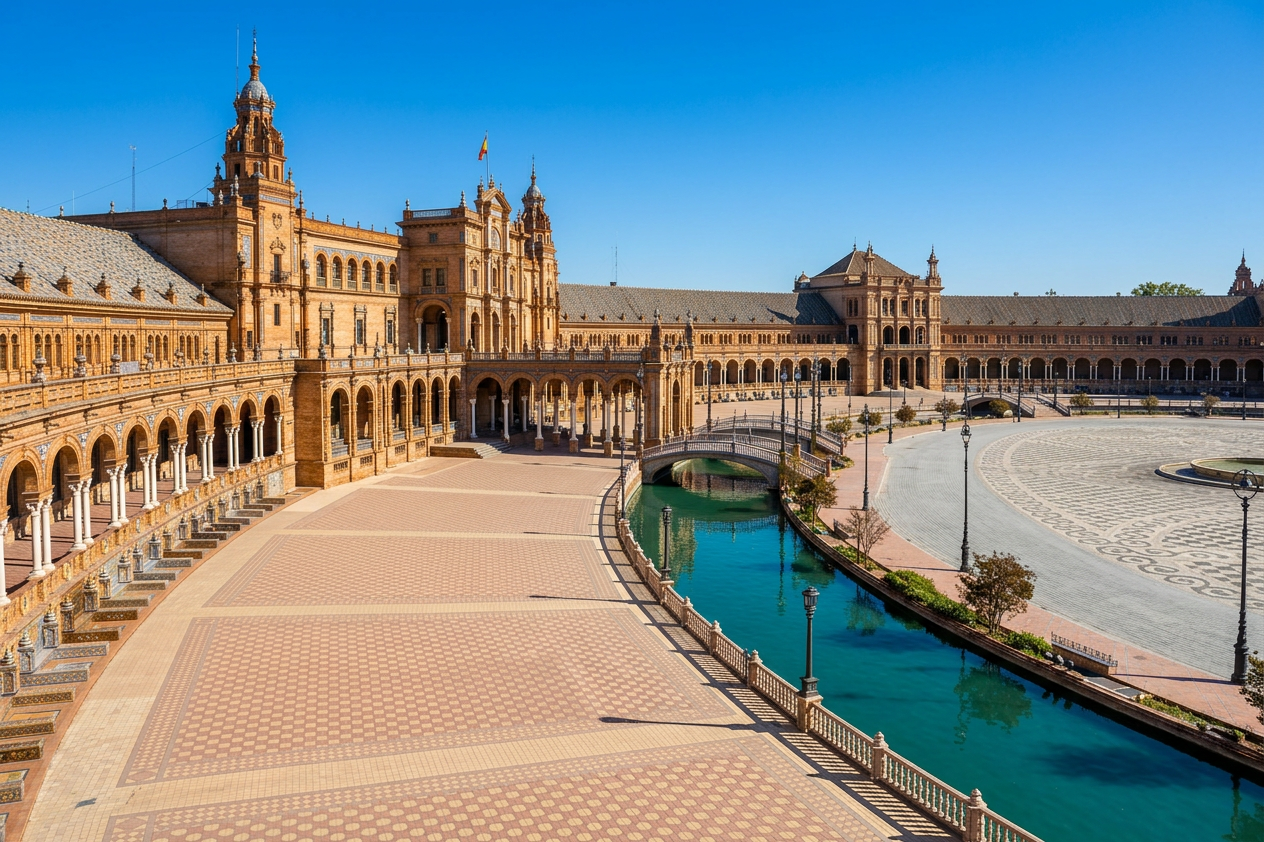
From wandering through the colourful streets of Barcelona and standing beneath the towering spires of the Sagrada Família to watching the sunset over Seville and getting lost in the charming lanes of Granada, our journey through Spain was one filled with unforgettable moments. Every city had its own personality, every meal introduced us to new flavours, and every train ride revealed a different side of this beautiful country.
Quick Facts
| Capital | Madrid |
| Currency | Euro (€) |
| Language | Spanish (with regional languages including Catalan, Basque and Galician) |
| Time Zone | Central European Time (CET/CEST) |
| Driving Side | Right |
| Plug Type | Type C & F |
| Schengen Country | Yes |
| Best Time to Visit | April–June and September–October |
| Perfect For | Families, couples, history lovers, foodies, beach holidays and road trips |
Before You Plan Your Trip
Visa Information
Spain is part of the Schengen Area, allowing travellers to move freely between 29 European countries with a single Schengen visa. If Spain is your main destination—or the country where you’ll spend the most time—you should apply for your Schengen visa through the Spanish authorities.
Do You Need a Visa?
- EU/EEA and Swiss citizens: No visa is required to enter Spain.
- Travellers from visa-exempt countries: You can visit Spain for up to 90 days within any 180-day period without a visa for tourism or business. (Always check the latest eligibility requirements before travelling.)
Indian passport holders and many other non-EU nationals: A Schengen Short-Stay (Type C) Visa is required for tourism, family visits, or business trips of up to 90 days.
Documents Commonly Required
While requirements vary depending on your nationality, most applicants should be prepared with:
- A passport valid for at least 3 months beyond your planned departure from the Schengen Area and issued within the last 10 years.
- A completed Schengen visa application form.
- Recent passport-sized photographs.
- Proof of accommodation (hotel bookings or invitation letter).
- Return or onward flight reservations.
- Travel itinerary.
- Proof of sufficient financial means.
- Valid travel insurance covering at least €30,000 in medical expenses across the Schengen Area.
When to Apply
It’s best to apply at least 4–6 weeks before your trip. Applications can generally be submitted up to 6 months before your planned travel date, giving you plenty of time for processing and any additional document requests.
Travel Tip: Visa rules and entry requirements can change. Always verify the latest information with the Spanish embassy or consulate in your country before booking non-refundable flights or accommodation.
Flights and Airports
Spain is well connected to the rest of the world, with numerous international airports serving major cities and popular holiday destinations. Whether you’re planning a city break, a beach holiday, or a multi-city road trip, you’ll find convenient flight options throughout the country.
Major International Airports
- Adolfo Suárez Madrid–Barajas Airport (MAD) – Spain’s busiest airport and the main international gateway, offering direct flights to destinations across Europe, Asia, North and South America, and the Middle East. It’s the ideal arrival point if you’re exploring central Spain.
- Josep Tarradellas Barcelona–El Prat Airport (BCN) – The country’s second-largest airport, serving Barcelona, the Costa Brava, and northeastern Spain. It has excellent international connections and is a popular choice for first-time visitors.
- Valencia Airport (VLC) – A convenient gateway to Valencia and Spain’s eastern Mediterranean coast, with regular flights from major European cities.
- Málaga–Costa del Sol Airport (AGP) – The main airport for Andalusia’s Costa del Sol, providing easy access to Málaga, Marbella, Granada, Ronda, and Seville.
- Seville Airport (SVQ) – Serves the Andalusian capital with domestic and European routes, making it a great option for exploring southern Spain.
- Palma de Mallorca Airport (PMI) – The busiest airport in the Balearic Islands and the gateway to Mallorca, with seasonal flights from numerous international destinations.
Domestic Flights
Spain has an extensive domestic flight network connecting major cities and islands. Flying is often the quickest option when travelling long distances, such as between Barcelona and Seville or from mainland Spain to the Balearic and Canary Islands.
Travel Tip: If you’re planning to visit several cities, consider flying into one city (such as Barcelona or Valencia) and departing from another (such as Madrid or Málaga). An open-jaw itinerary saves time and eliminates the need to backtrack, making it ideal for exploring more of Spain in a single trip.
Budget Guide
Spain is one of the best-value destinations in Western Europe. Whether you’re travelling on a shoestring budget, enjoying a comfortable family holiday, or indulging in a luxury escape, there’s something for every type of traveller. Prices vary depending on the season, destination, and travel style, with cities like Barcelona and Madrid generally costing more than smaller towns.
| Expense | Budget | Mid-Range | Luxury |
| Accommodation (per night) | €30–70 | €90–180 | €250+ |
| Meals (per day) | €20–35 | €40–70 | €100+ |
| Local Transport (per day) | €5–10 | €10–20 | €20+ |
| Attractions (per day) | €10–20 | €20–40 | €50+ |
| Approx. Daily Budget | €65–135 | €160–310 | €420+ |
Estimated Trip Cost Per Person
| Trip Duration | Budget | Mid-Range | Luxury |
| 5 Days | €325–675 | €800–1,550 | €2,100+ |
| 7 Days | €455–945 | €1,120–2,170 | €2,940+ |
| 10 Days | €650–1,350 | €1,600–3,100 | €4,200+ |
| 14 Days | €910–1,890 | €2,240–4,340 | €5,880+ |
Note: These estimates exclude international flights and shopping but include accommodation, meals, local transport, and sightseeing.
Money-Saving Tips
- Travel during the shoulder seasons (April–June and September–October) for lower hotel prices and fewer crowds.
- Book popular attractions like the Sagrada Família and Alhambra well in advance to secure tickets at standard prices.
- Stay near public transport instead of in the historic centre to reduce accommodation costs.
- Make the most of Spain’s excellent metro, bus, and train networks instead of relying on taxis.
- Look for “Menú del Día” at local restaurants, which offers a multi-course lunch at excellent value.
- If visiting multiple attractions in a city, check whether a city pass offers savings.
Best Time to Visit
Spain is a year-round destination, but the best time to visit depends on the experiences you’re looking for. Spring and autumn are ideal for sightseeing, summer is perfect for beaches and festivals, while winter offers festive markets, skiing, and pleasant weather in southern Spain.
| Season | Months | Weather | Best For |
| 🌸 Spring | March – May | 15–25°C, mild and sunny | Sightseeing, city breaks, hiking, gardens in bloom, fewer crowds |
| ☀️ Summer | June – August | 25–40°C, hot and dry | Beaches, island hopping, festivals, nightlife, Mediterranean holidays |
| 🍂 Autumn | September – November | 18–28°C, warm and comfortable | Road trips, wine regions, cultural sightseeing, pleasant weather |
| ❄️ Winter | December – February | 5–18°C (warmer in the south) | Christmas markets, skiing, Andalusia, Canary Islands, fewer tourists |
Spring (March to May)
Spring is one of the best times to visit Spain. Comfortable temperatures, blooming parks, and longer daylight hours make it perfect for exploring cities like Barcelona, Madrid, Seville, and Valencia. It’s also an excellent season for hiking and scenic road trips before the summer crowds arrive.
Summer (June to August)
Summer is Spain’s busiest tourist season. Coastal destinations such as Costa del Sol, Costa Brava, Ibiza, Mallorca, and Menorca are at their liveliest, while festivals and outdoor events take place across the country. Inland cities, particularly Seville and Córdoba, can experience temperatures above 40°C, making sightseeing more challenging.
Autumn (September to November)
With warm weather, fewer visitors, and beautiful autumn colours, this is another fantastic time to visit Spain. It’s ideal for exploring historic cities, enjoying vineyard tours during the grape harvest, and taking scenic drives through regions like Rioja, Galicia, and Andalusia.
Winter (December to February)
Winter is quieter and more affordable, making it a great time to visit if you prefer fewer crowds. Southern Spain enjoys mild temperatures, while the Sierra Nevada offers skiing opportunities. Cities sparkle with festive Christmas markets, and the Canary Islands remain pleasantly warm for a winter sun escape.
Our Recommendation: If you’re visiting Spain for the first time, plan your trip between April–June or September–October. You’ll enjoy pleasant weather, comfortable sightseeing conditions, and fewer crowds than the peak summer months—making it the ideal time to explore Spain’s cities, coastlines, and cultural landmarks.
Explore Spain
Suggested Itineraries
Spain’s Festivals & Cultural Calendar
Spain’s calendar is packed with vibrant festivals that celebrate its history, traditions, religion, and local culture. Whether it’s witnessing centuries-old processions, dancing at lively street fairs, or joining world-famous celebrations, experiencing a Spanish festival is one of the best ways to immerse yourself in the country’s unique spirit.
Three Kings’ Day (Día de los Reyes Magos)
📅 January 5–6 | 📍 Nationwide
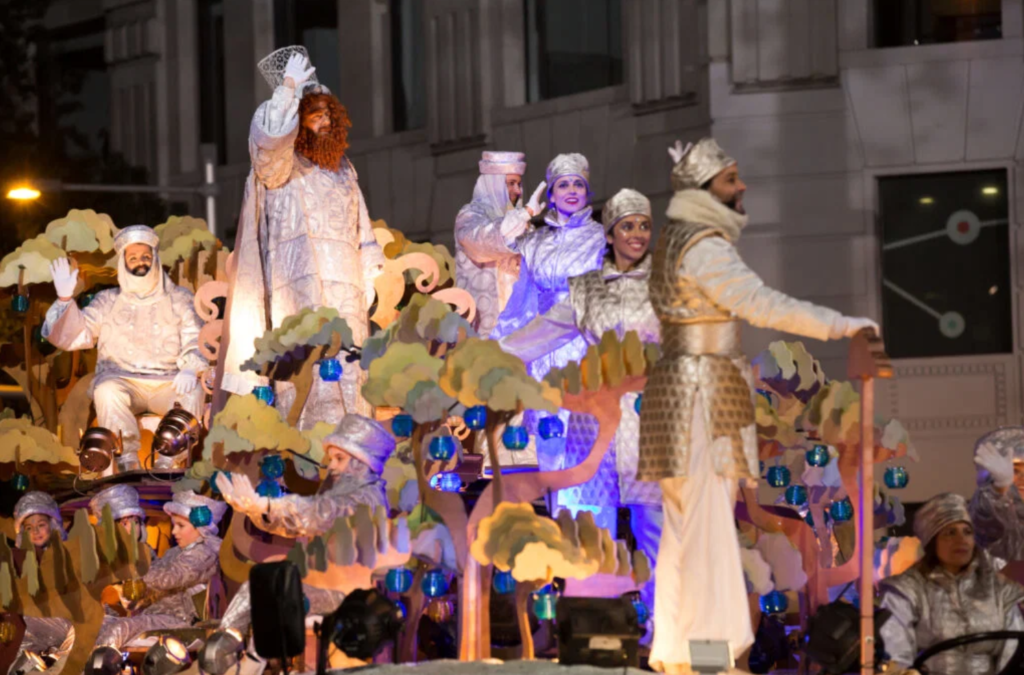
One of Spain’s most cherished celebrations, Three Kings’ Day marks the arrival of the Three Wise Men. On the eve of the festival, colourful parades fill the streets with music, floats, and sweets thrown to children. Families exchange gifts on January 6, making it as important as Christmas in many Spanish households.
Las Fallas
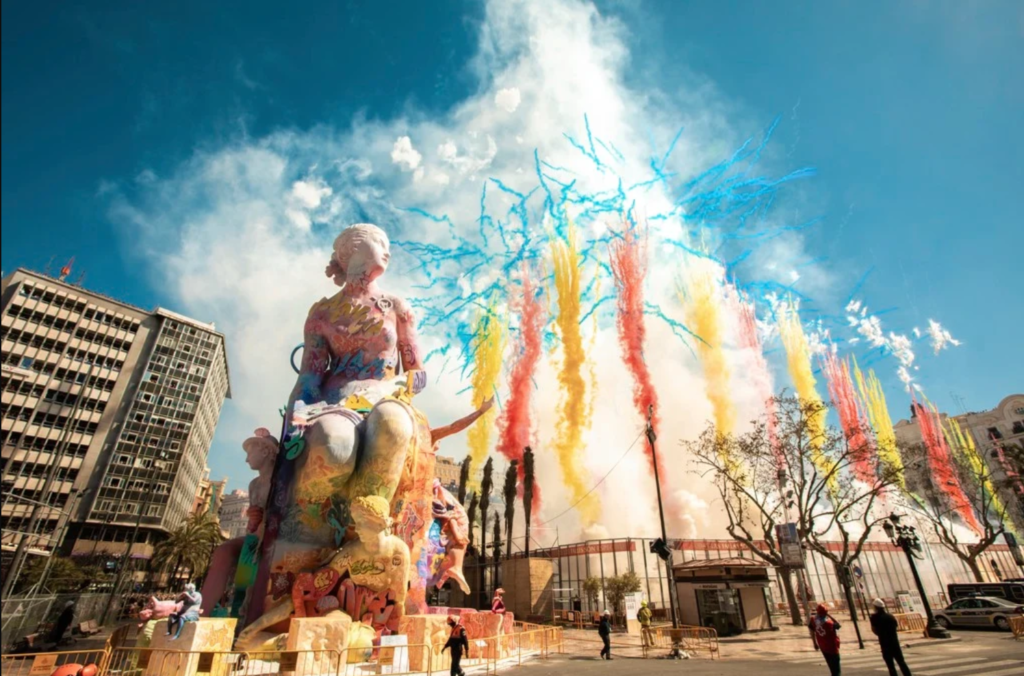
📅 March | 📍 Valencia Las Fallas is one of Spain’s most spectacular festivals, where enormous handcrafted sculptures are displayed throughout Valencia before being dramatically burned on the final night. The city comes alive with fireworks, marching bands, traditional costumes, and lively street celebrations, creating an unforgettable atmosphere
Semana Santa (Holy Week)
📅 March/April | 📍 Seville, Málaga & Across Spain
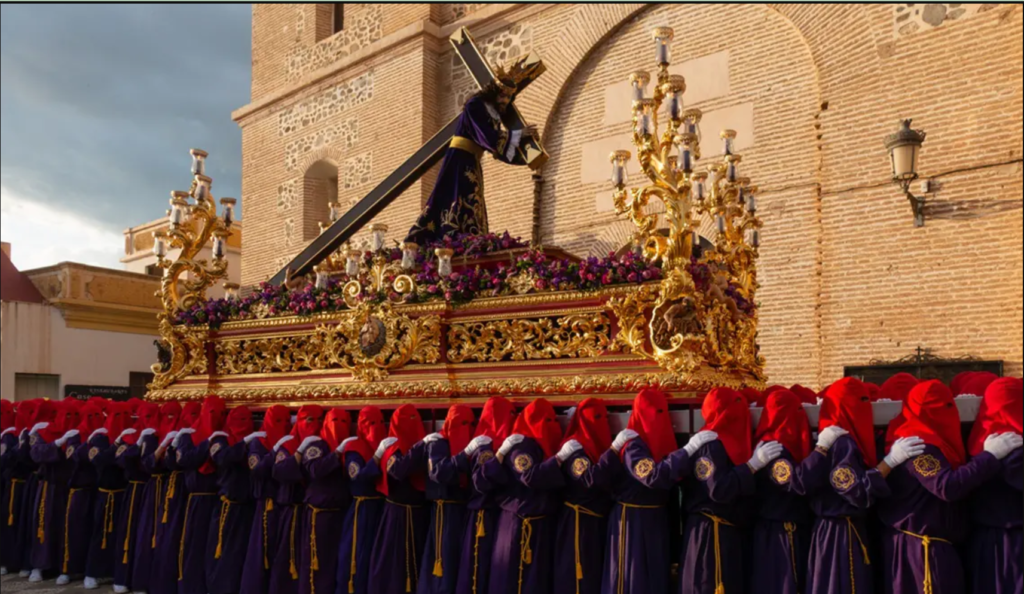
Semana Santa is Spain’s most important religious celebration, commemorating the week leading up to Easter. Magnificent processions featuring beautifully decorated floats, traditional music, and participants in ceremonial robes wind through historic streets, particularly in Seville and Málaga.
Feria de Abril (April Fair)
📅 April/May | 📍 Seville
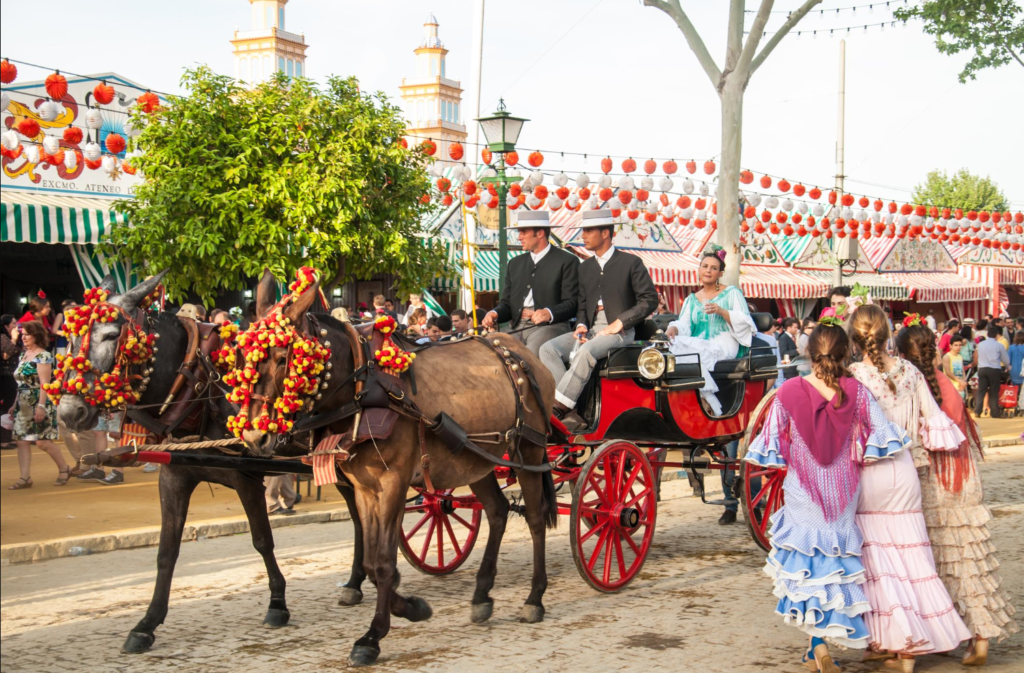
Held two weeks after Easter, Seville’s April Fair is a week-long celebration of Andalusian culture. Locals dress in traditional flamenco attire, dance Sevillanas, enjoy horse parades, and gather in beautifully decorated marquees known as casetas for food, music, and festivities.
Patios Festival
📅 May | 📍 Córdoba
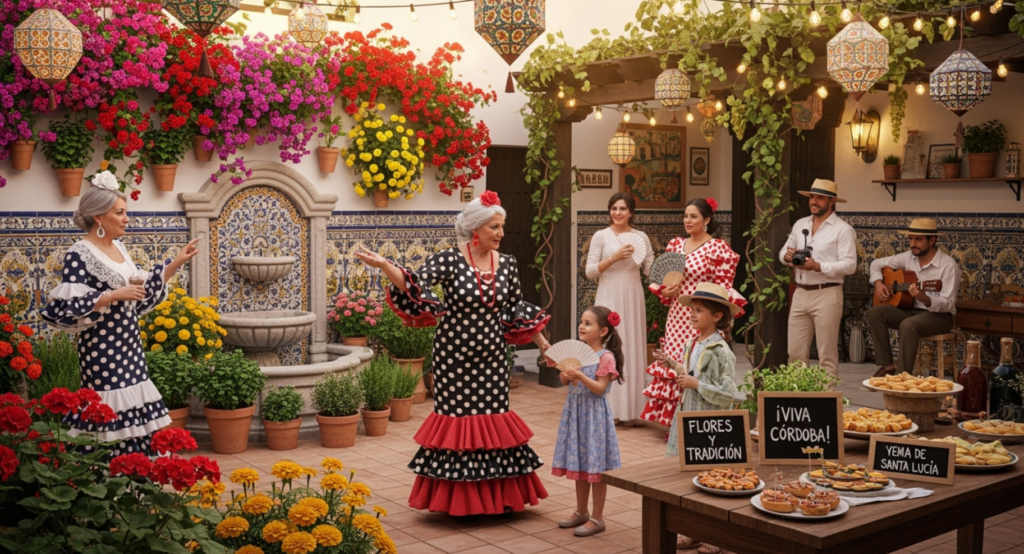
During the Patios Festival, residents of Córdoba open their private courtyards to the public, showcasing breathtaking floral displays. Overflowing with colourful flowers, fountains, and traditional Andalusian architecture, these hidden courtyards transform the city into a vibrant open-air garden.
San Fermín (Running of the Bulls)
📅 July 6–14 | 📍 Pamplona
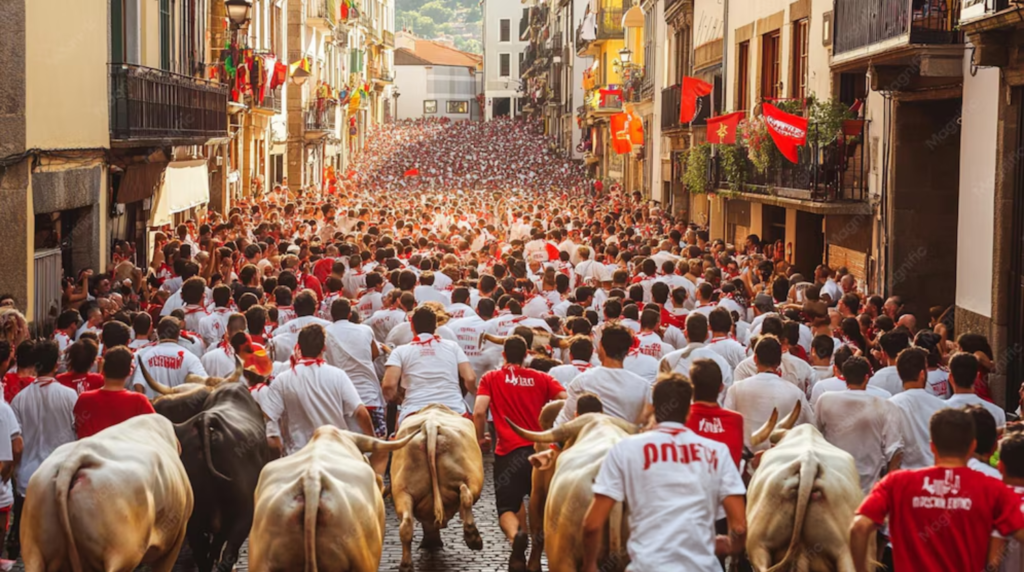
Known around the world for the Running of the Bulls, the San Fermín Festival is a thrilling mix of tradition, excitement, and celebration. Alongside the famous morning bull runs, visitors can enjoy concerts, cultural performances, parades, fireworks, and lively street parties throughout the week.
Fiesta de Santiago (Feast of Saint James)
📅 July 25 | 📍 Santiago de Compostela
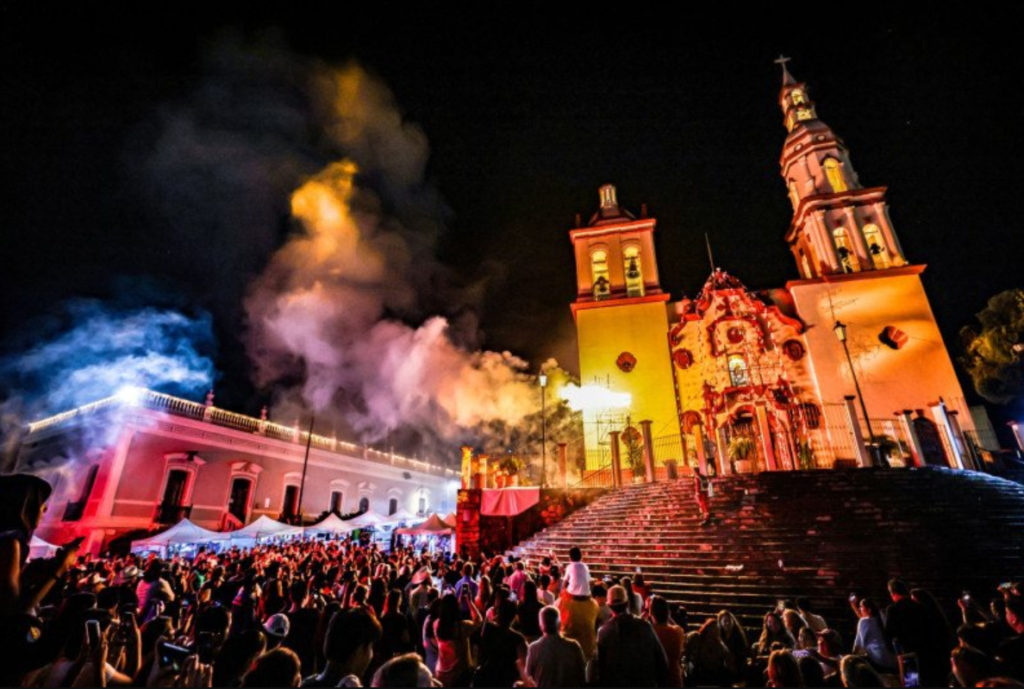
Celebrating Spain’s patron saint, Saint James, this festival is the highlight of the year in Santiago de Compostela. Pilgrims completing the famous Camino de Santiago join locals for religious ceremonies, concerts, traditional Galician music, spectacular fireworks, and cultural events that fill the city’s historic streets.
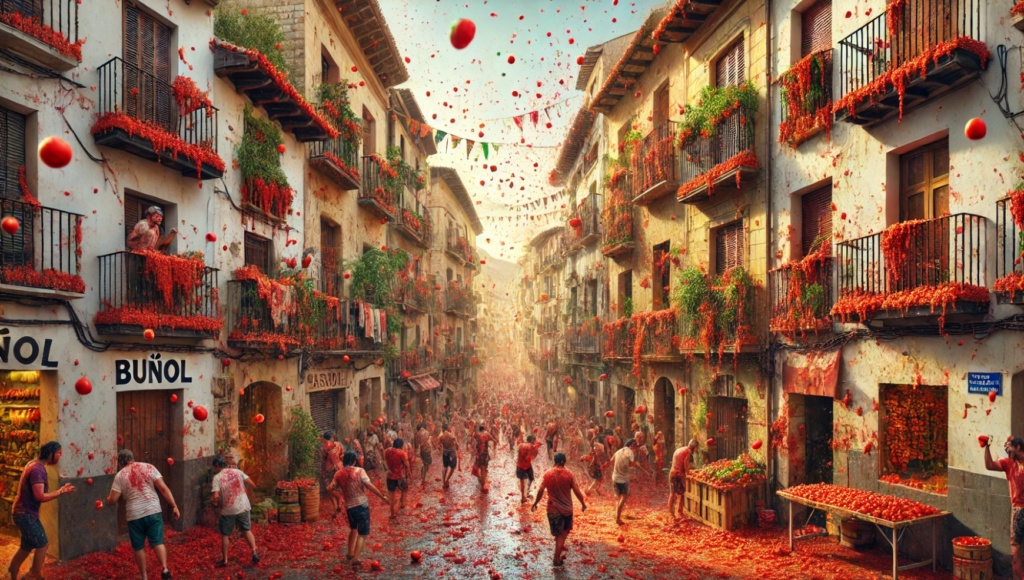
La Tomatina
📅 Last Wednesday of August | 📍 Buñol
La Tomatina is the world’s largest tomato fight, attracting thousands of visitors each year. For one fun-filled hour, participants throw ripe tomatoes at one another, turning the streets into a sea of red before the town is quickly cleaned up for post-festival celebrations.
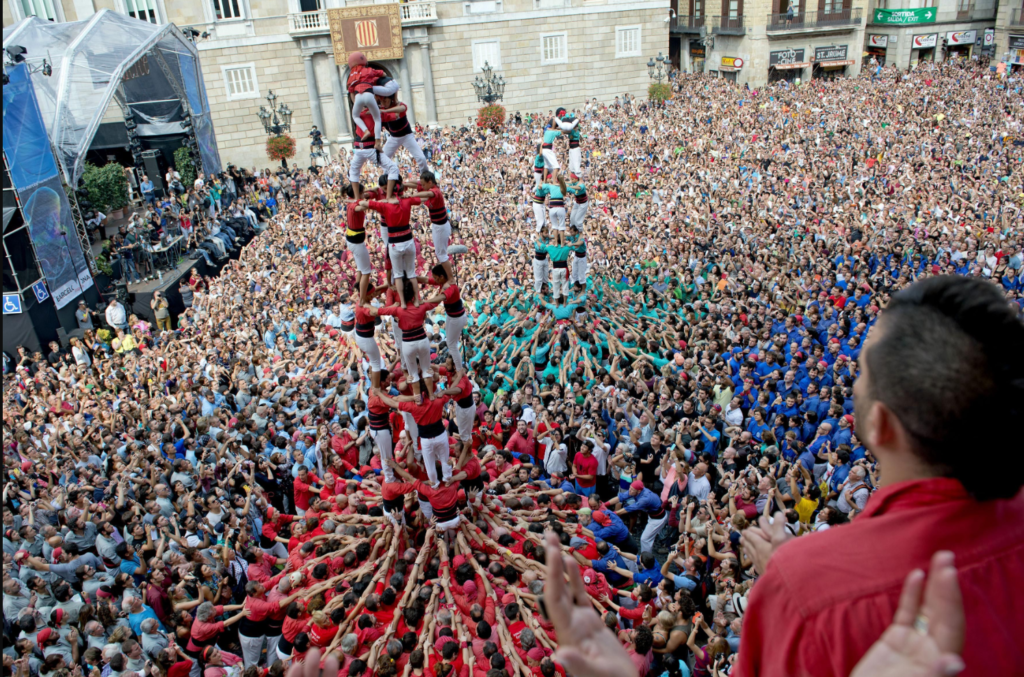
La Mercè Festival
📅 September | 📍 Barcelona
Barcelona’s biggest annual festival honours the city’s patron saint, Our Lady of Mercy. The celebrations include spectacular human towers (Castells), giant puppet parades, live music, fireworks, drone shows, and the famous Correfoc, where performers dressed as devils dance through the streets with fireworks.
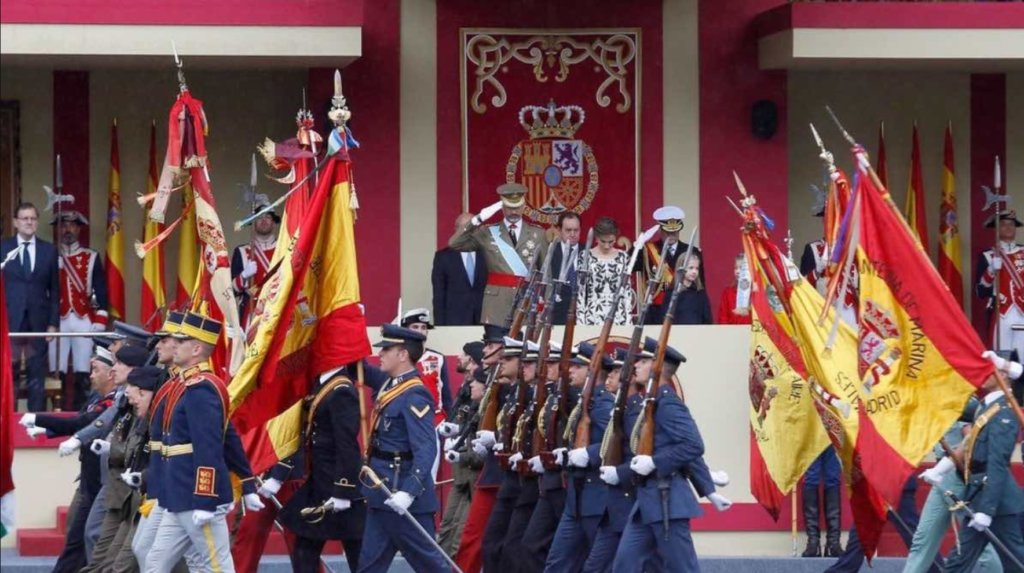
Fiesta Nacional de España
📅 October 12 | 📍 Nationwide
Spain’s National Day commemorates Christopher Columbus’s arrival in the Americas in 1492. The day is marked by military parades, official ceremonies, cultural performances, and celebrations across the country, with Madrid hosting the largest national parade.
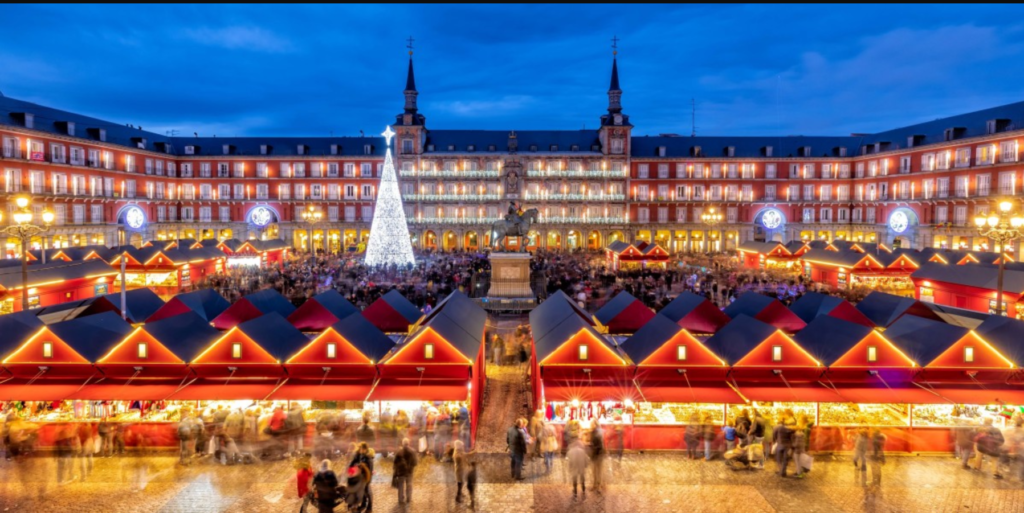
Christmas Markets & Festivities
📅 December | 📍 Nationwide
From late November through December, Spain’s cities sparkle with festive lights, bustling Christmas markets, nativity displays, and seasonal treats. Visitors can shop for handcrafted gifts, enjoy traditional sweets like turrón, and experience the magical holiday atmosphere before the celebrations culminate with Three Kings’ Day in January.