
Last Updated on July 30, 2026 by 4flyinghippos@gmail.com
Spain had been on our travel bucket list for a long time. Over 10 incredible days, we explored futuristic cities, historic old towns, royal palaces, and some of the finest examples of Moorish architecture in Europe. Travelling primarily by long-distance buses, along with one domestic flight, we journeyed across the country from the Mediterranean coast to the heart of Andalusia.
Our Route
Valencia (2 Nights) → Barcelona (2 Nights) → Madrid (1 Night) → Granada (2 Nights) → Seville (2 Nights) → Córdoba (Day Trip)
Trip Snapshot
- Duration: 10 Days
- Destinations: Valencia → Barcelona → Madrid → Granada → Seville → Córdoba
- Transport Between Cities: Long-distance buses and one domestic flight
- Getting Around Cities: Metro, local buses, and walking
- Best For: First-time visitors to Spain, culture lovers, architecture enthusiasts, and history buffs
Although this itinerary focuses on mainland Spain, don’t overlook the country’s spectacular islands. If you have a few extra days, consider extending your holiday with a visit to Mallorca, Tenerife or Ibiza. Our Top 10 Islands in Spain guide highlights the best islands to visit, along with their top attractions, ideal length of stay and island-hopping suggestions.
Day 1: Arrival in Valencia
Our Spanish adventure began in Valencia, a city that beautifully balances historic charm with modern innovation.
After landing, we made our way to Bonaire, where we would be staying for the next two nights. Since it had been a long travel day, we decided to take things easy and simply explore the area around our hotel.
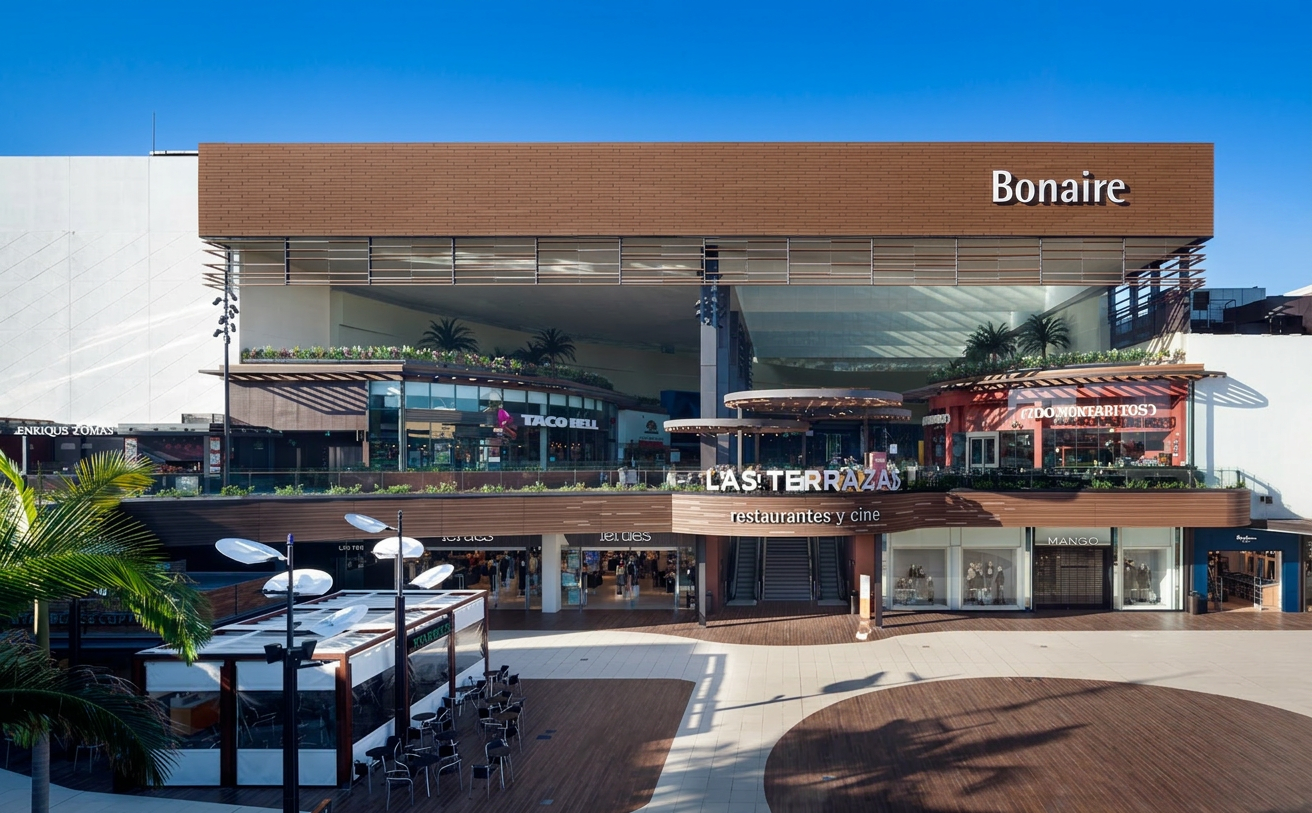
The evening was spent strolling through Bonaire’s lively streets, browsing shops, enjoying the outdoor atmosphere, and watching locals go about their evening routines. It was the perfect introduction to Spain’s vibrant lifestyle and a relaxing way to ease into our journey.
Getting Around: Walking
Day 2: Exploring Valencia
Getting Around: Local buses, walking, and metro
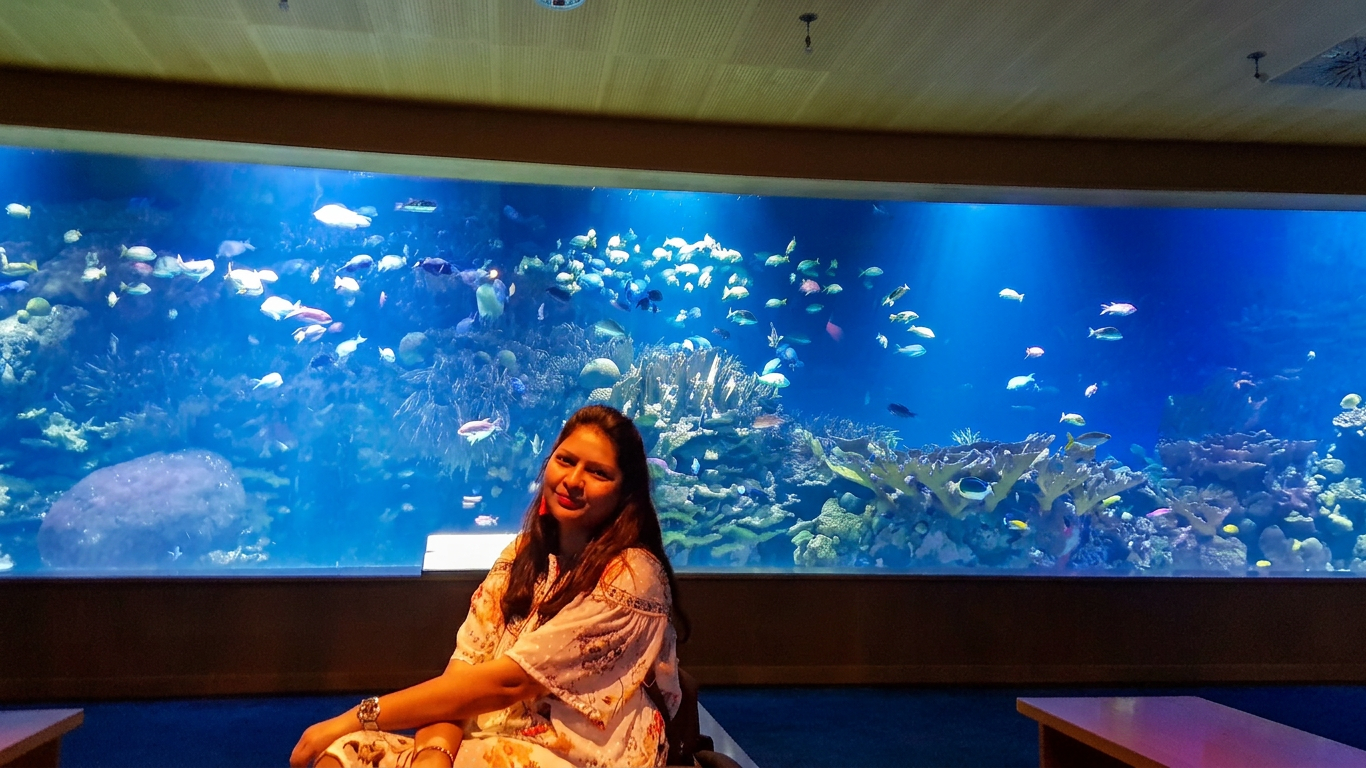
We dedicated our first full day to discovering Valencia’s highlights, starting with one of the city’s most famous attractions—the City of Arts and Sciences.
The futuristic complex looked unlike anything we had seen before. Its striking white structures, surrounded by reflective pools, seemed almost futuristic. We spent several hours exploring the impressive Oceanogràfic, Europe’s largest aquarium, where sharks, dolphins, penguins, and countless marine species captivated visitors of all ages.
We also visited the Science Museum, whose interactive exhibits made learning both entertaining and engaging.
Later in the day, we shifted from modern Valencia to its historic heart. Walking through the old town, we visited the magnificent Valencia Cathedral, a blend of Gothic, Romanesque, and Baroque architectural styles. Nearby, Plaza de la Virgen offered a glimpse into the city’s daily life as locals gathered around cafés and historic buildings.
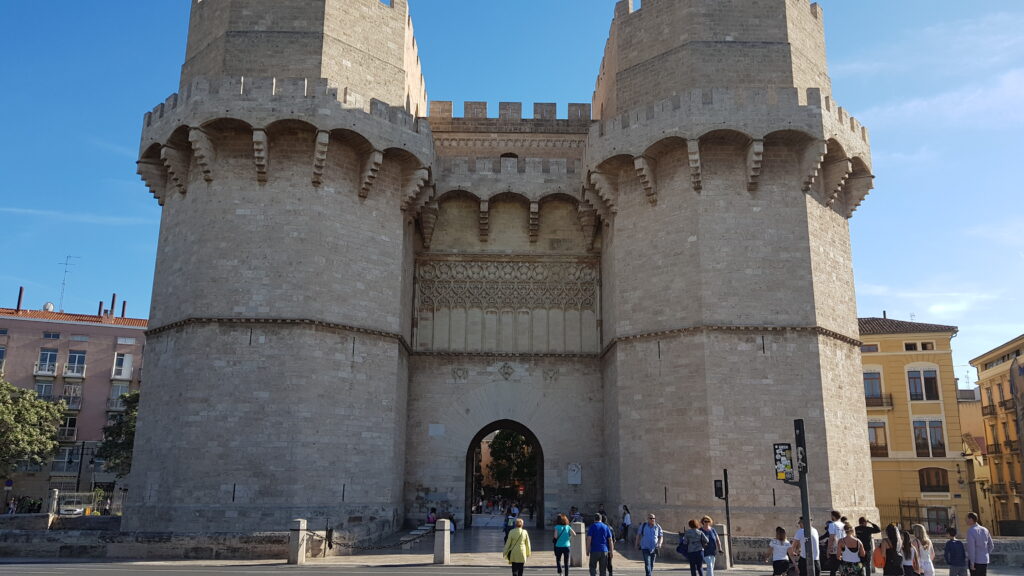
One of the highlights was La Lonja de la Seda, a UNESCO-listed Silk Exchange that reflects Valencia’s importance as a trading center during the medieval era. Its beautifully carved columns and grand halls transport visitors back to Spain’s golden age of commerce.
As we wandered through the historic center, we admired ancient gates, charming squares, and narrow streets before heading back to our hotel after a fulfilling day.
Where We Stayed: Ibis Valencia Bonaire Aeropuerto, Aldaia
Day 3: Valencia to Barcelona
Travel Time: Approximately 4 hours by bus
Getting Around: Metro, buses, and walking
The next morning, we boarded a bus to Barcelona. The journey took us along Spain’s Mediterranean coastline before we arrived in one of Europe’s most famous cities.
After checking into our hotel, we wasted no time beginning our exploration.
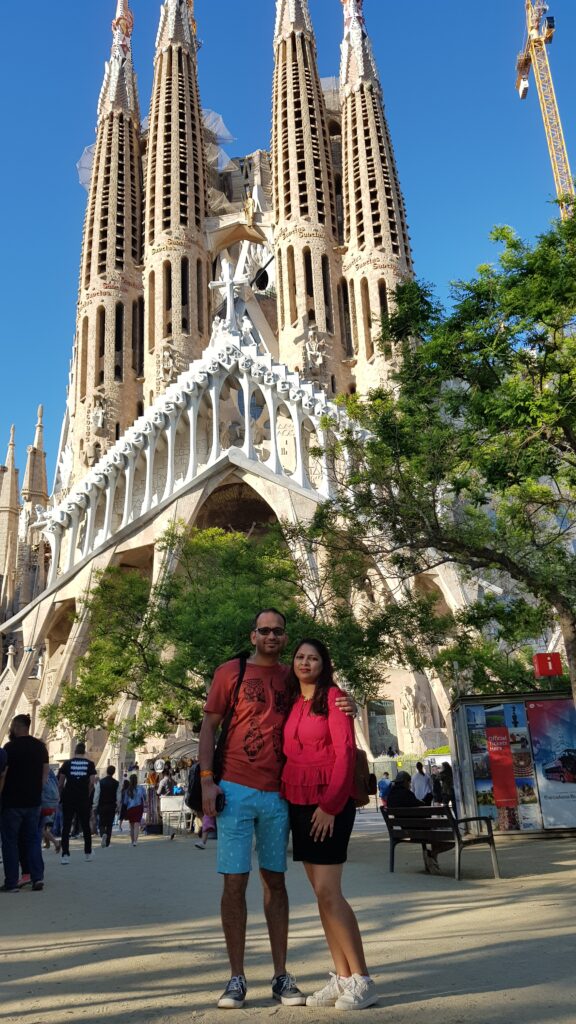
Our first stop was the awe-inspiring Sagrada Família. Even after seeing countless photos, nothing prepared us for the sheer scale and detail of Antoni Gaudí’s masterpiece. Every façade tells a story, while the towering spires dominate Barcelona’s skyline.
From there, we continued to two more of Gaudí’s architectural marvels—Casa Batlló and Casa Milà. Both buildings showcase the architect’s unique style, transforming ordinary city blocks into works of art.
As evening approached, we made our way to the Columbus Monument before enjoying a beautiful sunset at Rambla de Mar. The sea breeze, harbour views, and golden light created one of the most memorable moments of the trip.
The day ended with a leisurely walk along La Rambla, Barcelona’s famous boulevard filled with street performers, cafés, and a lively atmosphere that continues well into the night.
Day 4: Discovering Barcelona
Getting Around: Metro, local buses, and walking
Barcelona has no shortage of attractions, and our second day was packed with some of its most iconic landmarks.
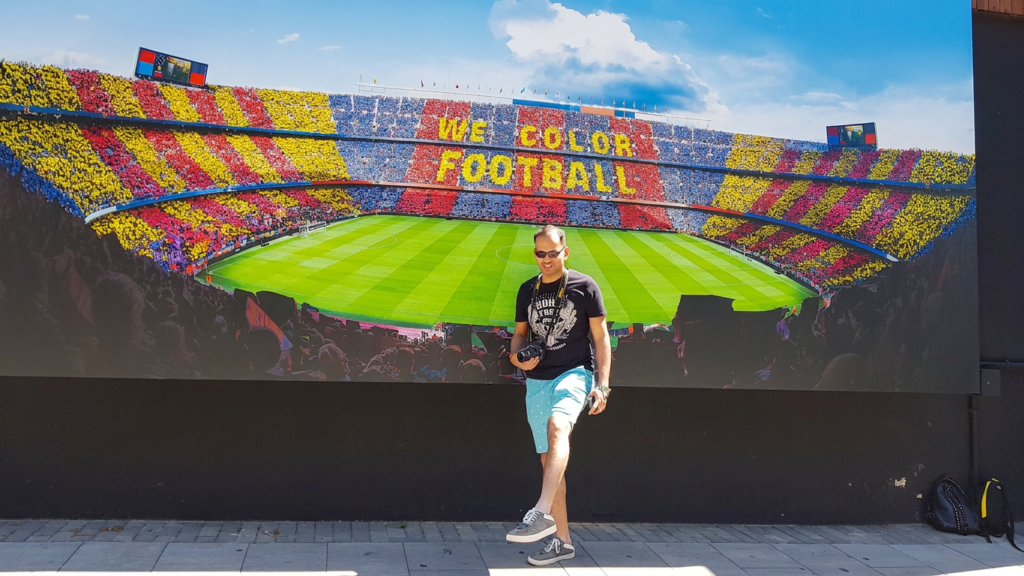
We started at Camp Nou, the legendary home of FC Barcelona. Even for non-football fans, the stadium’s history and significance are impossible to ignore.
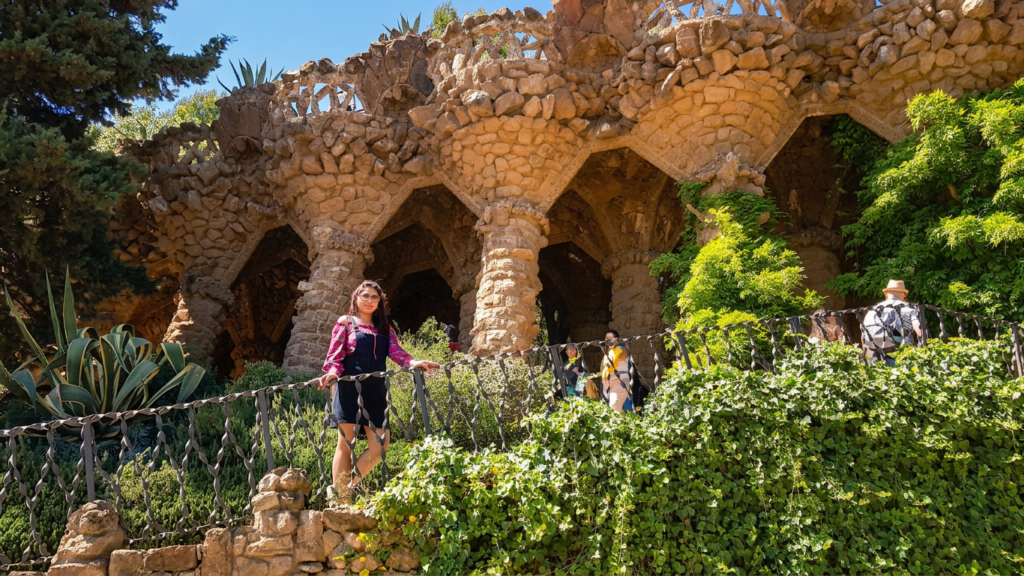
Next came Park Güell, another of Gaudí’s masterpieces. Its colourful mosaics, whimsical architecture, and panoramic views over Barcelona make it one of the city’s most photographed locations.
We then headed to the Magic Fountain of Montjuïc. Unfortunately, the fountain was not operating due to an event taking place nearby, but we still enjoyed exploring the surrounding Montjuïc area.
The afternoon was devoted to Barcelona’s historic center. We wandered through the Gothic Quarter, where narrow medieval streets reveal hidden squares, centuries-old buildings, and countless photo opportunities around every corner.
Barcelona Cathedral stood as the centerpiece of the district, its Gothic architecture contrasting beautifully with the city’s modern attractions.
Later, we explored La Boqueria Market, a vibrant food market packed with fresh produce, local delicacies, and colourful stalls. We also visited Parc de la Ciutadella, a green oasis popular with both locals and visitors.
As the sun set, we found ourselves once again strolling along La Rambla, soaking in the city’s infectious energy.
Where We Stayed: Ibis Barcelona Ripollet, Ripollet
Day 5: Barcelona to Madrid
Travel Time: Approximately 1 hour 20 minutes by flight
Getting Around: Metro and walking
To maximize our limited time, we chose to fly from Barcelona to Madrid.
After landing and checking into our hotel, we immediately headed out to explore Spain’s capital. Madrid felt noticeably different from Barcelona—more elegant, grand, and regal.
Our first stop was Parque del Retiro, one of the city’s most beloved green spaces. The beautifully landscaped gardens provided a peaceful escape from the busy streets.
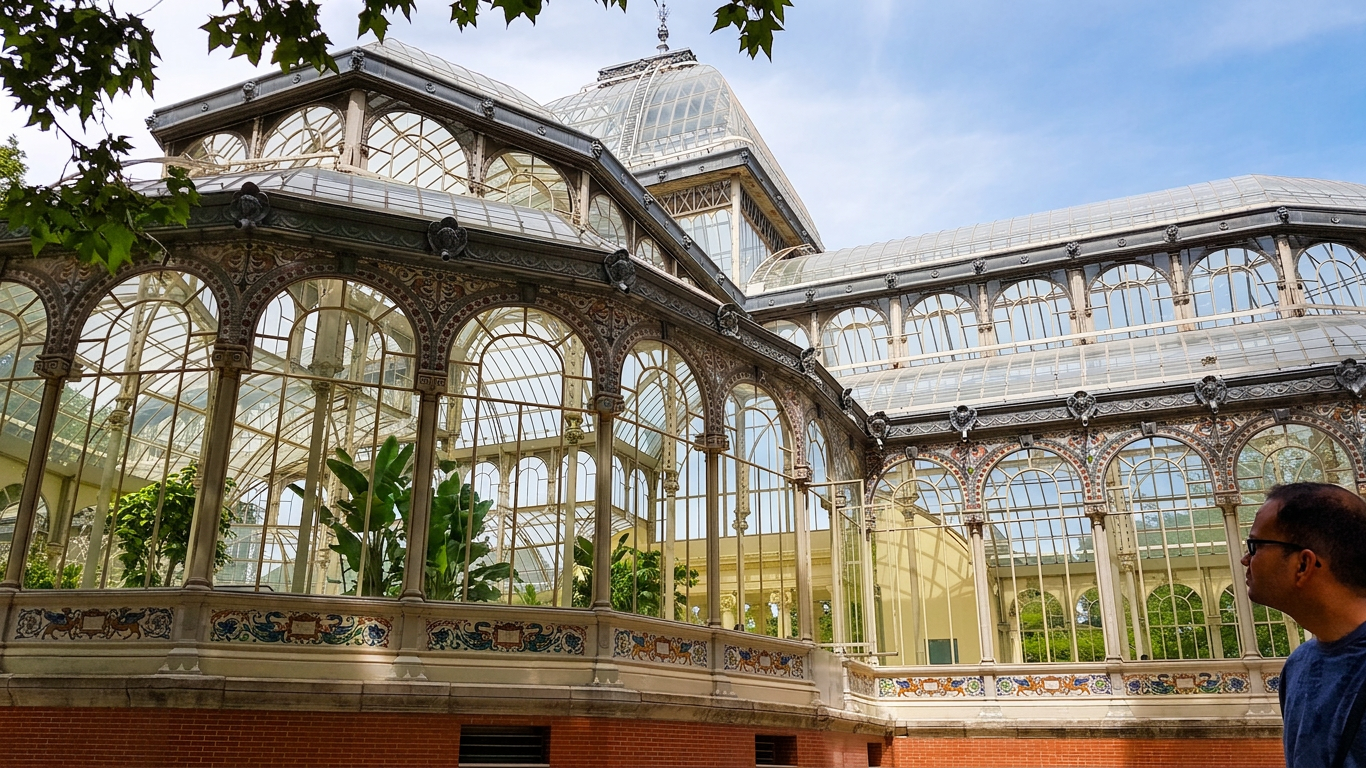
Inside the park, we visited the Crystal Palace, a stunning glass structure reflected in a tranquil lake.
From there, we made our way to the magnificent Royal Palace of Madrid. Its grand architecture and historical significance make it one of the city’s most impressive landmarks.
The remainder of the day was spent exploring Plaza Mayor, the bustling Puerta del Sol, and finally the Temple of Debod. This ancient Egyptian temple, gifted to Spain, offered one of the most beautiful viewpoints in Madrid as the day came to an end.
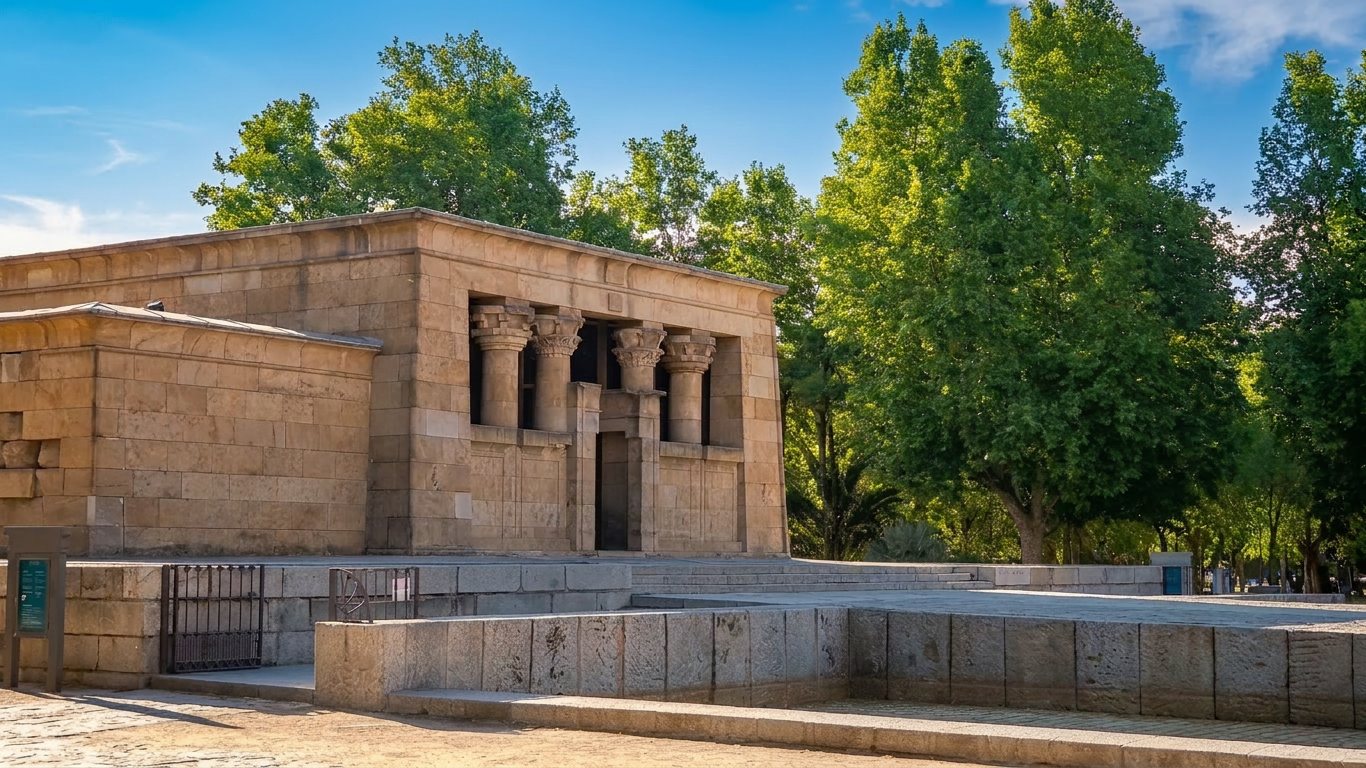
Although our time in Madrid was brief, the city left a lasting impression.
Where We Stayed: Hotel Escuela Madrid, Madrid
Day 6: Madrid to Granada
Travel Time: Approximately 5 hours by bus
Getting Around: Local buses and walking
Leaving Madrid behind, we travelled south to Granada, one of Spain’s most enchanting cities.
Surrounded by the Sierra Nevada mountains, Granada immediately felt different from the larger cities we had visited. Its Moorish heritage, narrow streets, and slower pace created an atmosphere that was impossible not to love.
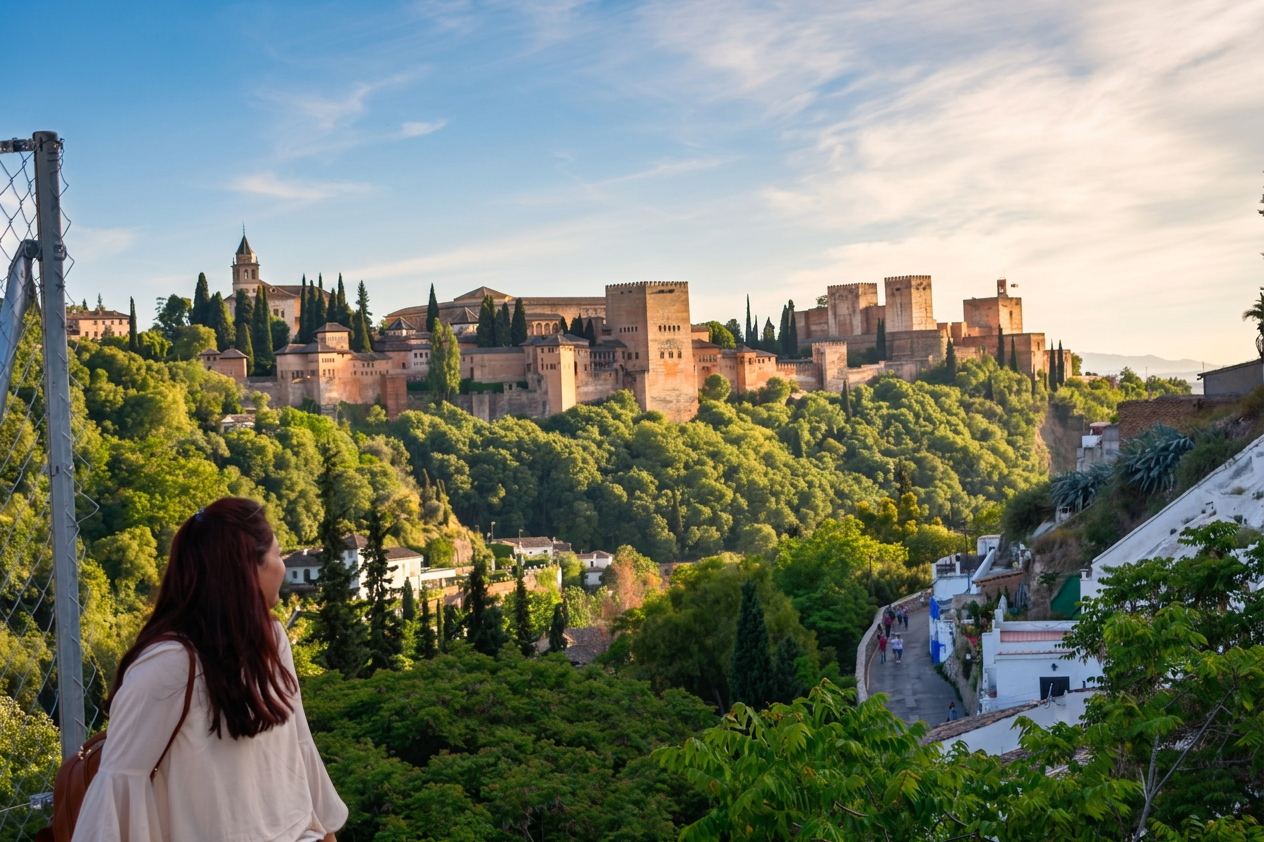
The highlight of the day was undoubtedly the Alhambra. Perched on a hill overlooking the city, this vast palace and fortress complex stands as one of the greatest examples of Islamic architecture in Europe.
We spent hours exploring the intricate courtyards, ornate halls, and beautifully preserved sections of the complex.
The Generalife Gardens offered a peaceful contrast, with elegant fountains, colourful flowers, and sweeping views across Granada.
We also explored the spectacular Nasrid Palaces, whose detailed carvings and geometric patterns remain among the finest examples of Moorish craftsmanship.
As evening arrived, we enjoyed a relaxed walk through Granada’s old streets, taking in the atmosphere of this remarkable city.
Day 7: Exploring Granada
Getting Around: Walking and local buses
With another full day available, we explored the many cultural treasures that make Granada so special.
Our morning began at Granada Cathedral, an impressive Renaissance masterpiece that dominates the city center.
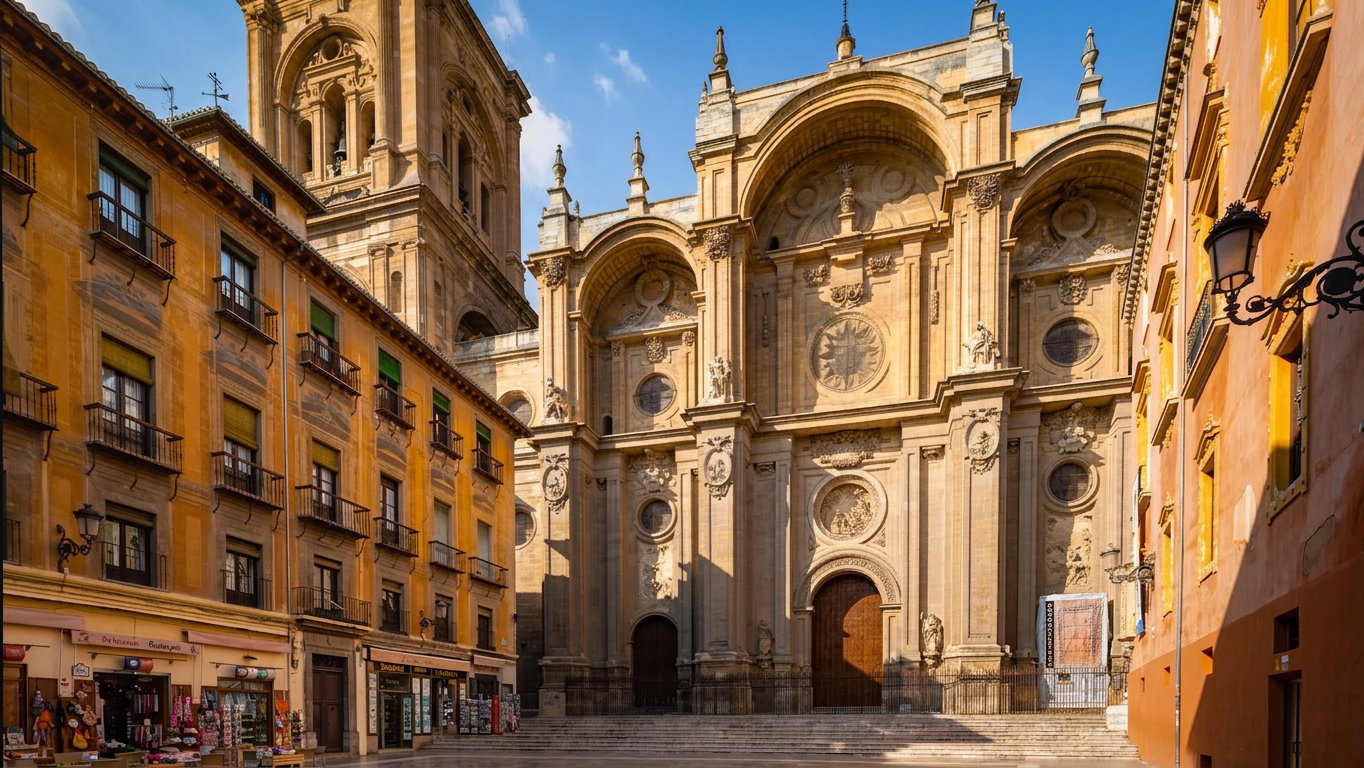
Adjacent to the cathedral lies the Royal Chapel, where Spain’s Catholic Monarchs, Ferdinand and Isabella, are buried. Standing inside such an important historical site felt like stepping back into a pivotal chapter of Spanish history.
We continued to El Bañuelo, one of the oldest and best-preserved Arab bathhouses in Spain, offering a fascinating glimpse into life during the Moorish era.
The Mezquita Mayor de Granada rewarded us with spectacular views of the Alhambra rising above the city.
Later, we visited Sacromonte, famous for its cave dwellings and flamenco traditions. The neighbourhood’s unique character made it one of Granada’s most memorable areas.
To experience another aspect of the city’s Moorish heritage, we visited Hammam Al Ándalus, where traditional baths provide a relaxing escape from sightseeing.
The day concluded with a leisurely walk along Carrera del Darro. With historic buildings lining the river and the Alhambra illuminated above, it was one of the most picturesque evenings of our entire trip.
Where We Stayed: Hostal Verona, Granada
Day 8: Granada to Seville
Travel Time: Approximately 3 hours by bus
Getting Around: Walking, trams, and local buses
Our journey through Andalusia continued as we travelled to Seville, a city renowned for its beauty, culture, and architectural grandeur.
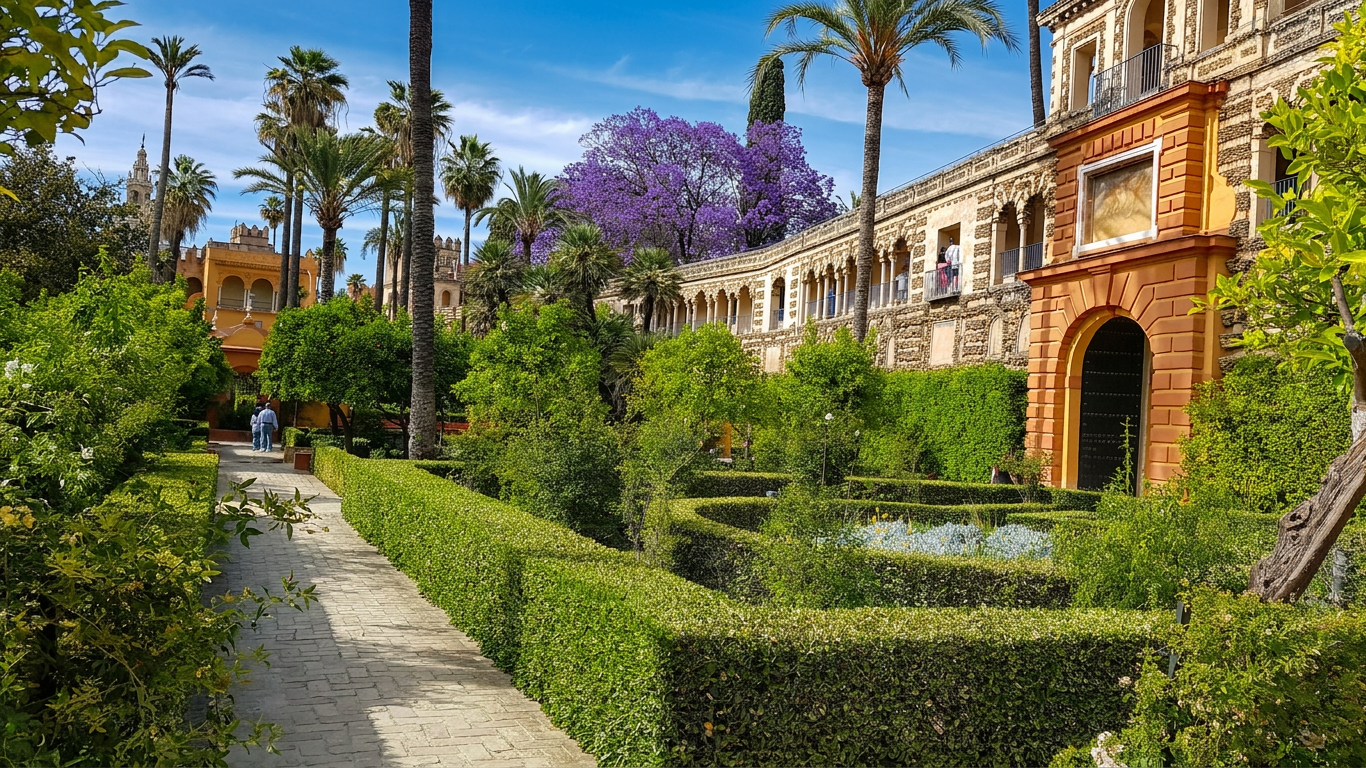
We began at the magnificent Royal Alcázar of Seville. Originally built as a royal palace, its stunning courtyards, intricate tilework, and lush gardens showcase centuries of artistic influence.
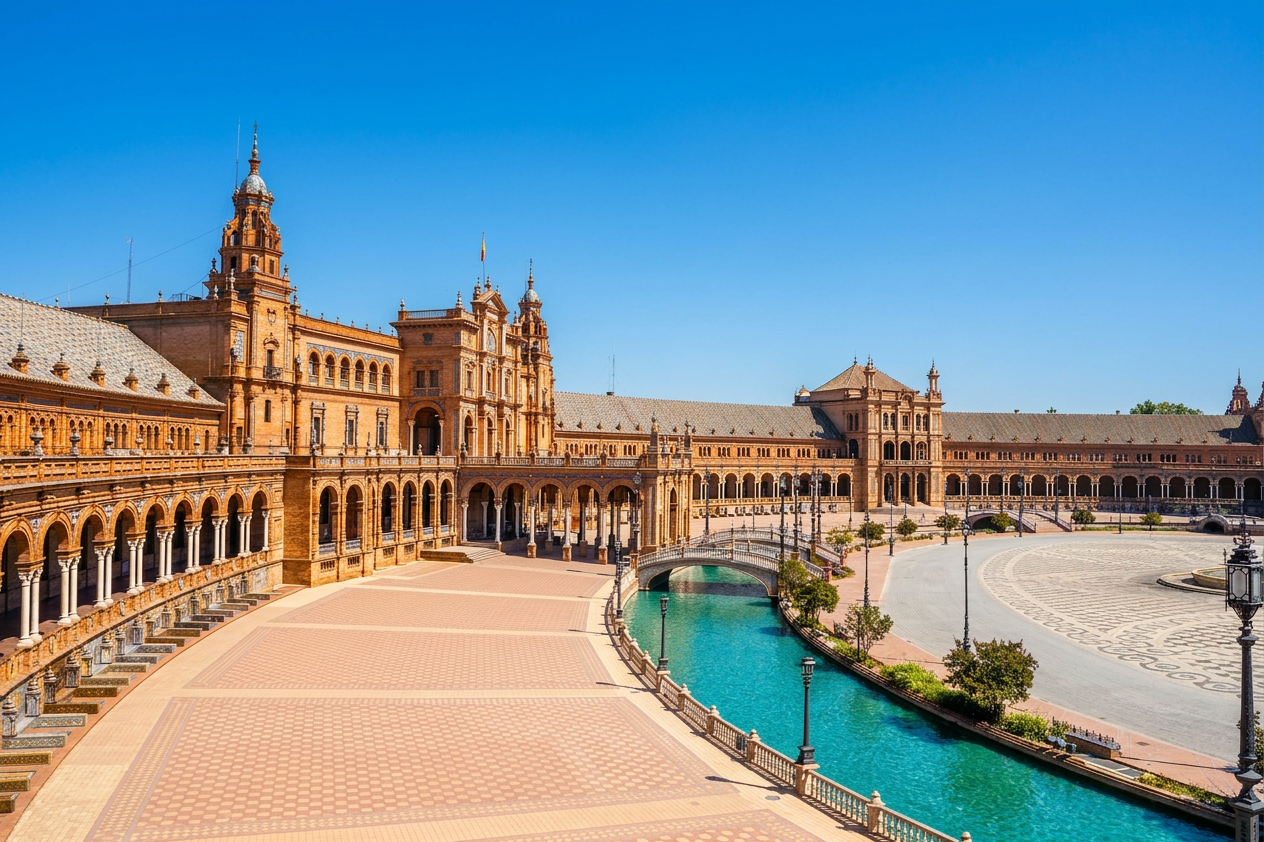
A short walk brought us to Plaza de España, perhaps the most iconic landmark in Seville. Its grand semi-circular design, bridges, and decorative ceramic tiles make it one of the most beautiful public squares in Spain.
We also visited Seville Cathedral, one of the largest Gothic cathedrals in the world, and admired its impressive architecture.
By the end of the day, Seville had firmly established itself as one of our favourite cities in Spain.
Day 9: Seville at Leisure
Getting Around: Walking and local transport
After several busy travel days, we slowed down our pace and spent more time enjoying Seville’s atmosphere.
We revisited parts of the historic center, explored hidden streets filled with orange trees, relaxed in local cafés, and simply enjoyed wandering through the city without a strict itinerary.
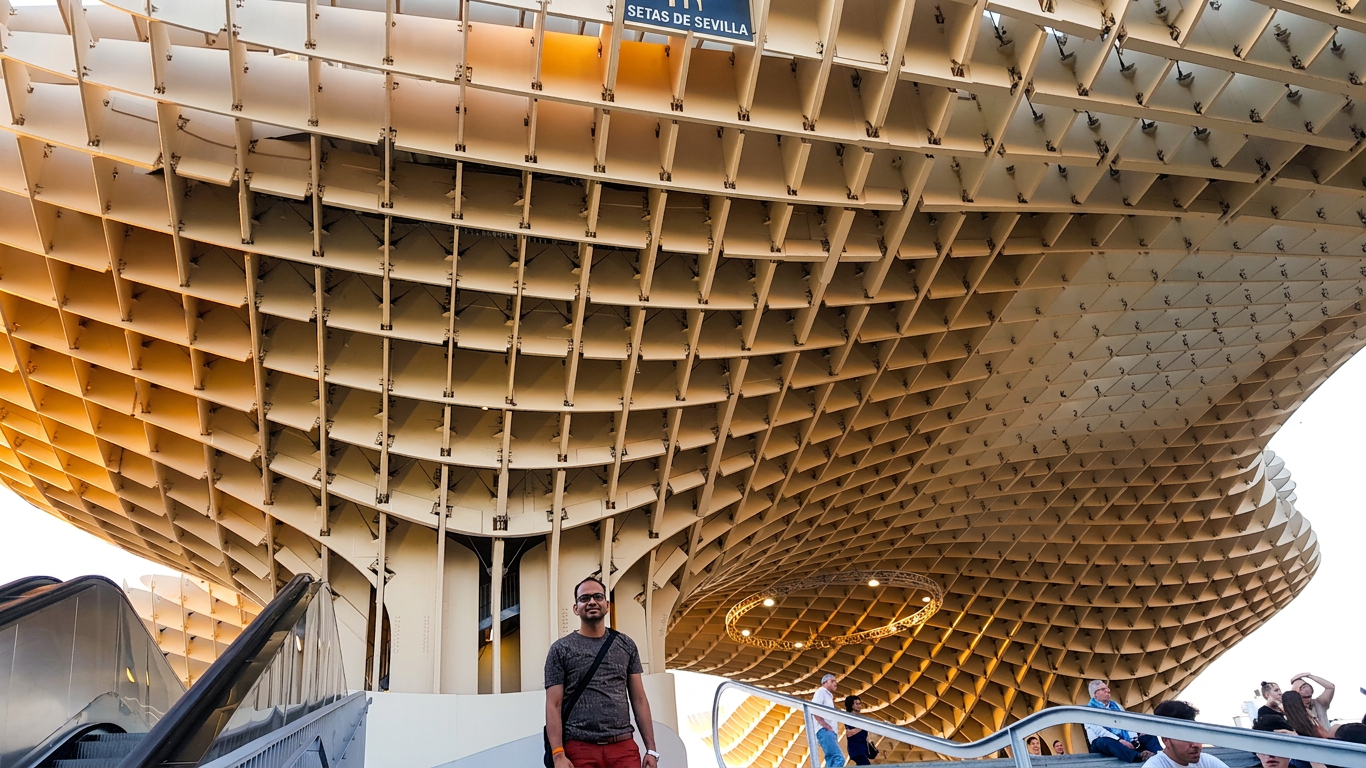
Other highlights included Torre del Oro, Plaza del Triunfo, Parque de María Luisa, Setas de Sevilla, and the charming streets of the historic center.
Crossing the Triana Bridge provided lovely views over the Guadalquivir River and introduced us to one of Seville’s most traditional neighbourhoods.
Sometimes the best travel memories come not from major attractions but from the unexpected moments found while exploring aimlessly, and Seville provided plenty of those.
Where We Stayed: Amplio apto en Nervión 5 min del metro, Seville
Day 10: Day Trip to Córdoba
Travel Time: Approximately 45 minutes each way by train from Seville
Getting Around: Walking
For our final day in Spain, we took a day trip to Córdoba.
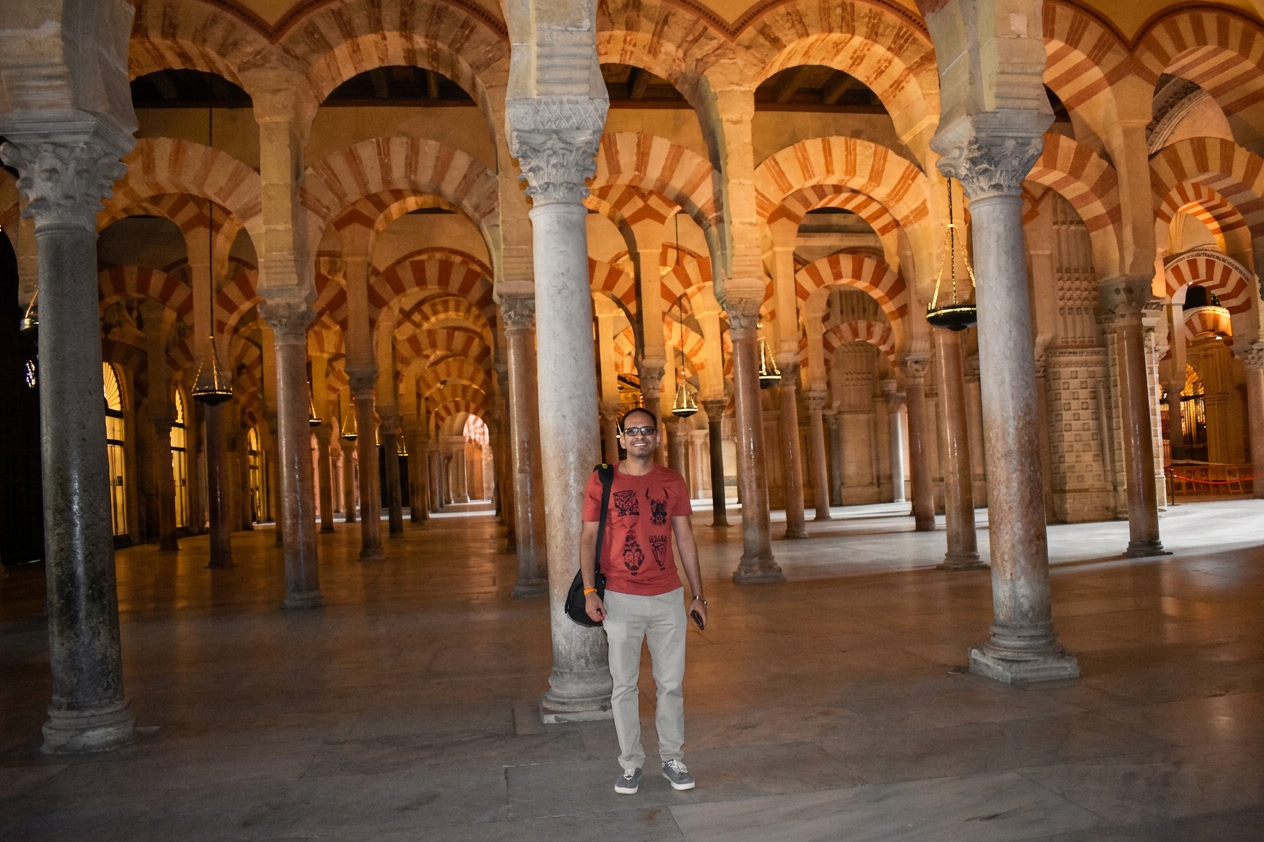
The city’s crown jewel is undoubtedly the Mezquita-Catedral de Córdoba, one of the most extraordinary religious monuments in the world. Its endless rows of red-and-white arches create a truly unforgettable sight.
We spent the rest of the day exploring the historic center, including the Jewish Quarter, Roman Bridge, Alcázar de los Reyes Cristianos, Palacio de Viana, Torre de la Calahorra, Patio de los Naranjos, Puerta del Puente, and the famous Calleja de las Flores.
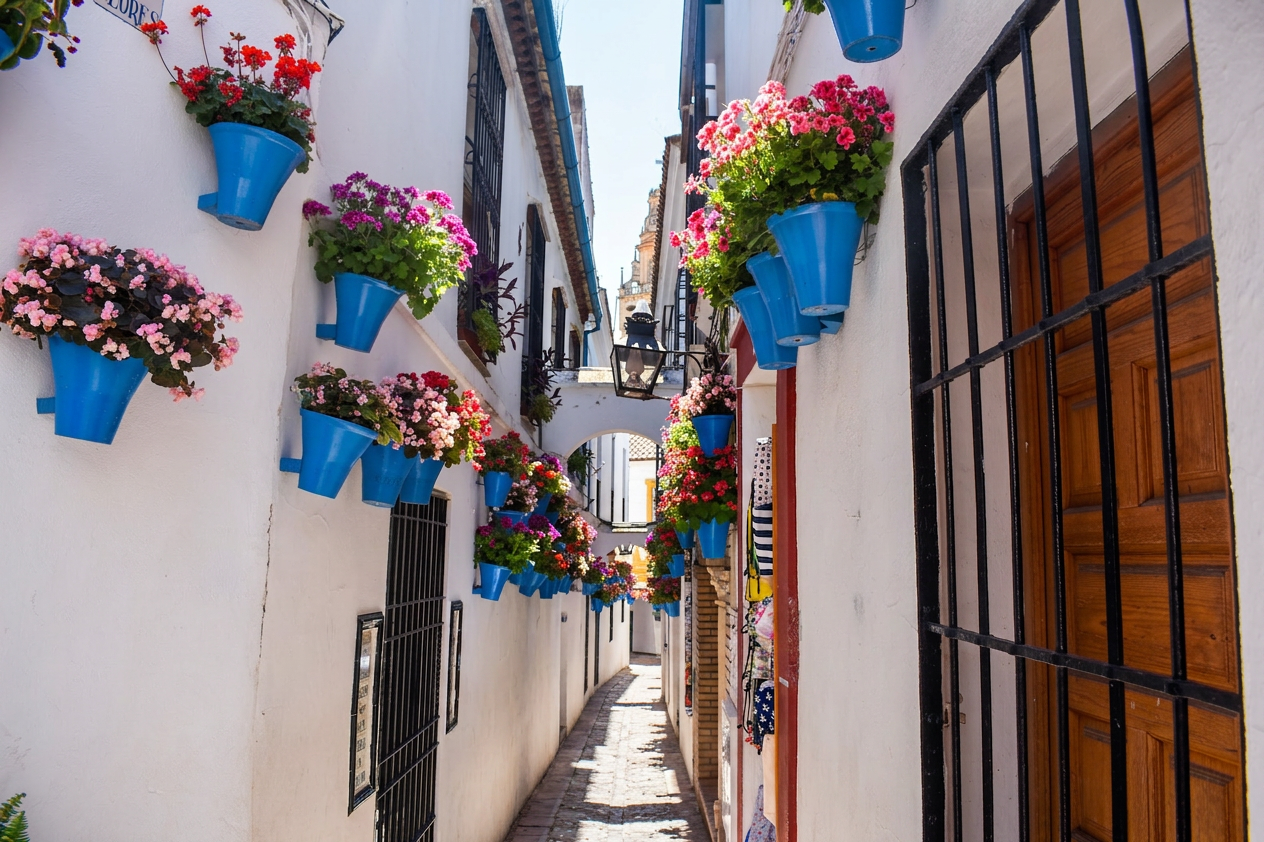
Every corner of Córdoba seemed to reveal another beautiful courtyard, historic monument, or charming street.
As our day came to an end, so did our incredible Spanish adventure.
Final Thoughts
Spain delivered everything we could have hoped for—world-class architecture, fascinating history, efficient public transport, vibrant city life, and unforgettable cultural experiences.
From Valencia’s futuristic skyline and Barcelona’s Gaudí masterpieces to Granada’s Moorish treasures, Seville’s elegance, and Córdoba’s timeless beauty, each destination brought something unique to the journey.
Looking back, what stands out most is not just the attractions themselves, but the feeling of moving through centuries of history while experiencing the warmth and energy that make Spain such a rewarding destination to explore.
Continue Exploring Spain
Looking for more inspiration? Continue planning your Spain adventure with these helpful guides:
Top 15 Places to Visit in Spain
Discover Spain’s most beautiful cities, including Barcelona, Madrid, Seville, Granada, Toledo and many more, along with their top attractions and suggested itineraries.
Top 10 Islands in Spain
From the turquoise coves of Mallorca and Menorca to the volcanic landscapes of Tenerife and Lanzarote, explore Spain’s most beautiful islands and find the perfect destination for your next beach escape.
Pingback: Top 10 Islands in Spain: The Most Beautiful Spanish Islands to Visit – Mapped for Memories