
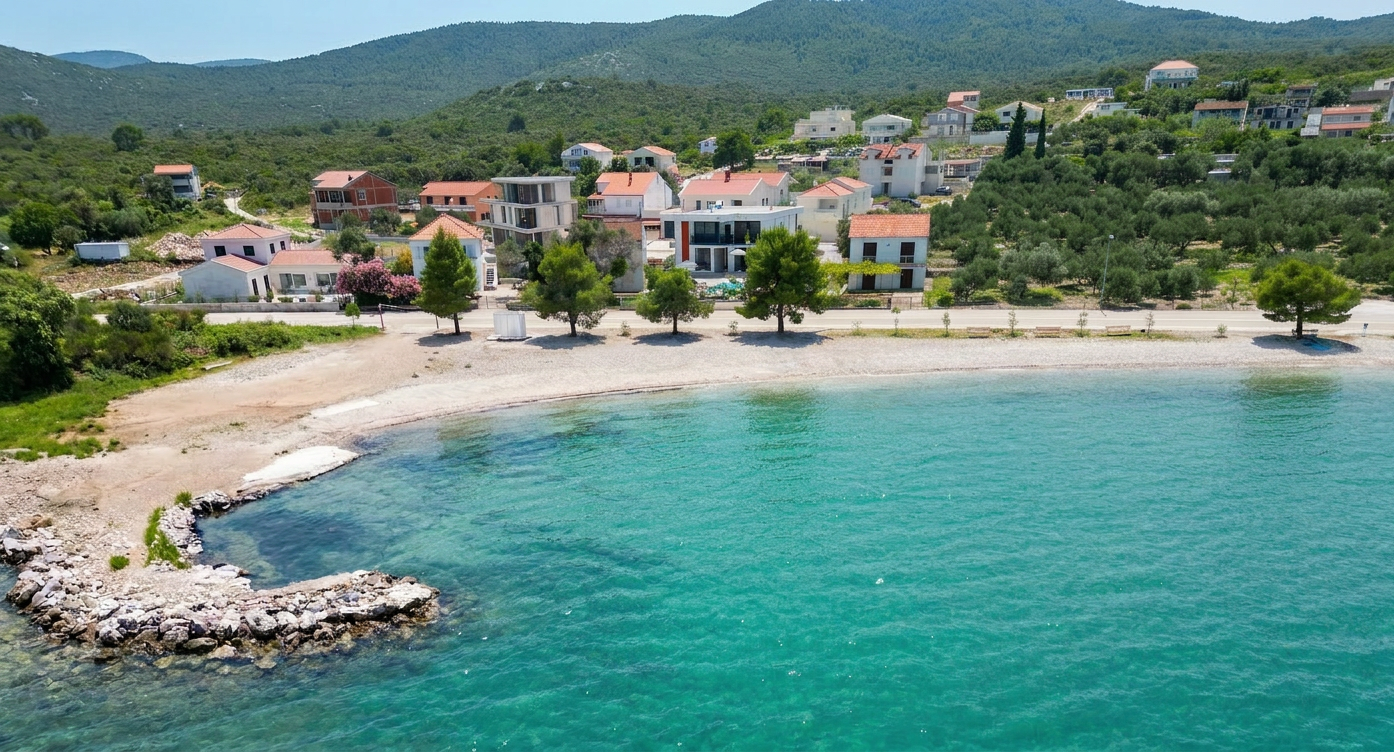
Croatia is one of Europe’s most diverse destinations, combining medieval cities, crystal-clear Adriatic waters, stunning islands, UNESCO World Heritage Sites, and spectacular national parks. Whether you love history, beaches, island hopping, food, or outdoor adventures, Croatia offers experiences that rival Italy and Greece while often being less crowded. Croatia is particularly famous for its more than 1,000 islands, picturesque coastal towns, and eight national parks.
Croatia at a Glance
| Quick Fact | Details |
| Capital | Zagreb |
| Currency | Euro (€) |
| Language | Croatian |
| Best Time to Visit | May–June & September–October |
| Ideal Trip Length | 10–14 Days |
| Driving | Right-hand side |
| Family Friendly | Excellent |
| Famous For | Islands, beaches, national parks, historic cities |
Before You Plan Your Trip
Visa Information
Croatia is part of the Schengen Area, making travel convenient for visitors already holding a valid Schengen visa.
Good to Know: If you’re planning a broader European trip, Croatia can easily be combined with destinations such as Italy, Slovenia, Austria, or Hungary under the same Schengen visa.
For Indian Citizens
- A valid Schengen visa is required to visit Croatia.
- Your passport should be valid for at least six months beyond your travel dates.
- Travel insurance covering the Schengen region is mandatory for visa applications.
- Apply at least 4–6 weeks before departure, especially during the summer travel season.
Flights and Airports
Croatia has several international airports, making it easy to enter and exit from different parts of the country.
Main International Airports
| Airport | Best For |
| Zagreb Airport (ZAG) | Capital city, inland Croatia, Plitvice Lakes |
| Split Airport (SPU) | Dalmatian Coast and island hopping |
| Dubrovnik Airport (DBV) | Southern Croatia and Dubrovnik |
| Zadar Airport (ZAD) | National parks and northern Dalmatia |
| Pula Airport (PUY) | Istria region |
Flying from India
There are currently no regular direct flights from India to Croatia. Most travelers connect through major European hubs such as:
- Istanbul
- Doha
- Dubai
- Frankfurt
- Vienna
For most first-time visitors, arriving in Zagreb and departing from Dubrovnik (or vice versa) is the most efficient option, eliminating the need to backtrack.
Budget Guide
Compared to Western Europe, Croatia offers excellent value, though prices rise significantly during the summer months.
Budget Travelers
€60–100 per person per day
Includes:
- Hostels or budget apartments
- Public transport
- Casual dining
Mid-Range Travelers
€120–250 per person per day
Includes:
- Boutique hotels
- Rental car or ferries
- Mix of restaurants and self-catering
Luxury Travelers
€300+ per person per day
Includes:
- Premium waterfront hotels
- Private excursions
- Fine dining experiences
Typical Costs
- Coffee – €2–4
- Restaurant Meal – €12–25
- Ferry Ticket – €10–40
- National Park Entry – €10–40
- Mid-Range Hotel – €120–250 per night
Family Travel Tip: Croatia can be surprisingly affordable for families compared to destinations like Italy or Greece, especially when staying in apartments and traveling by rental car.
Best Time to Visit
Croatia is a fantastic destination throughout the year, but the ideal season depends on your travel style.
Spring (April–June)
Best Overall Season
Why Visit:
- Pleasant temperatures
- Blooming landscapes
- Fewer crowds
- Excellent for sightseeing and national parks
Perfect for:
- Families
- Road trips
- Outdoor activities
Summer (July–August)
Best for Beaches & Islands
Why Visit:
- Warm Adriatic waters
- Lively atmosphere
- Peak ferry schedules
Things to Consider:
- Highest prices
- Larger crowds
- Advance booking essential
Perfect for:
- Island hopping
- Beach holidays
Autumn (September–October)
Best Value Season
Why Visit:
- Warm sea temperatures
- Fewer tourists
- Lower accommodation prices
Perfect for:
- Couples
- Photographers
- Relaxed road trips
Winter (November–March)
Best for Culture & Christmas Markets
Why Visit:
- Fewer visitors
- Festive atmosphere in Zagreb
- Lower hotel rates
Perfect for:
- City breaks
- Cultural travel
Recommended Travel Months
🏆 May, June, and September are widely considered the best months to visit Croatia, offering the perfect balance of pleasant weather, manageable crowds, and reasonable prices.
Mapped for Memories Recommendation: For the best combination of weather, crowd levels, and family-friendly sightseeing, plan your Croatia trip during late May, June, or September. These months offer comfortable temperatures for exploring cities, national parks, and islands without the peak-season rush.
Explore Croatia
Suggested Itineraries
Top Attractions and Experiences
Croatia’s Festivals & Cultural Calendar
From the colorful Carnival in Rijeka to the world-famous Dubrovnik Summer Festival, Croatia’s calendar is packed with celebrations that showcase its rich history, traditions, food, wine, and cultural heritage throughout the year.
Carnival in Rijeka (January–February)
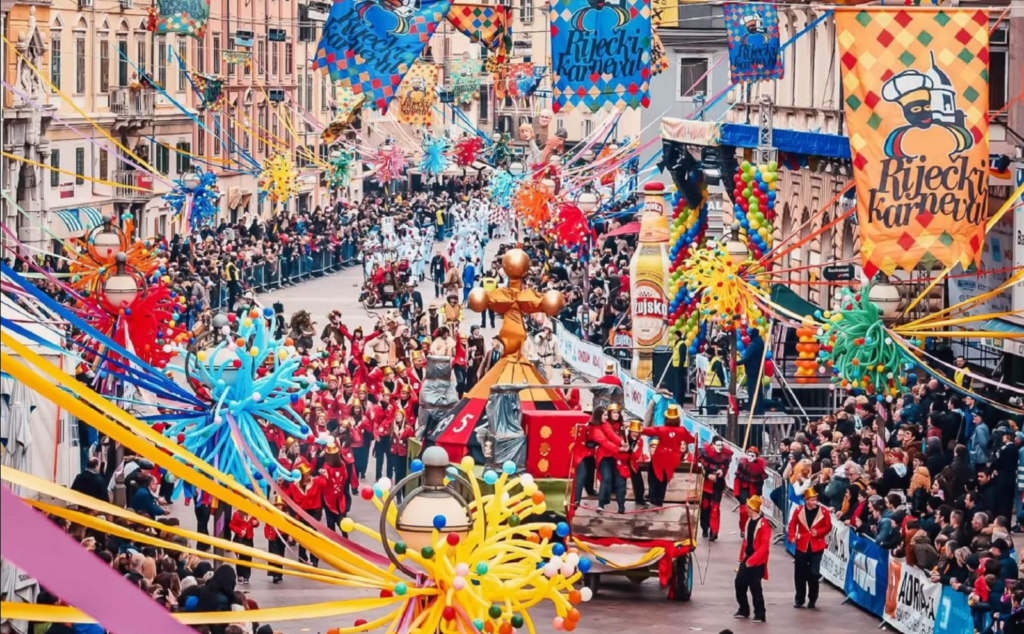
The Carnival in Rijeka is Croatia’s largest and most vibrant annual celebration, transforming the coastal city into a lively spectacle of colorful costumes, parades, music, and street performances. Dating back centuries, the festival combines local traditions with modern festivities and attracts thousands of visitors from across Europe. The highlight is the International Carnival Parade, where elaborate floats and masked participants fill the streets with energy and excitement. If you’re visiting Croatia during winter, Rijeka’s Carnival offers a unique opportunity to experience Croatian culture at its most festive.
St. Blaise’s Day in Dubrovnik (February)
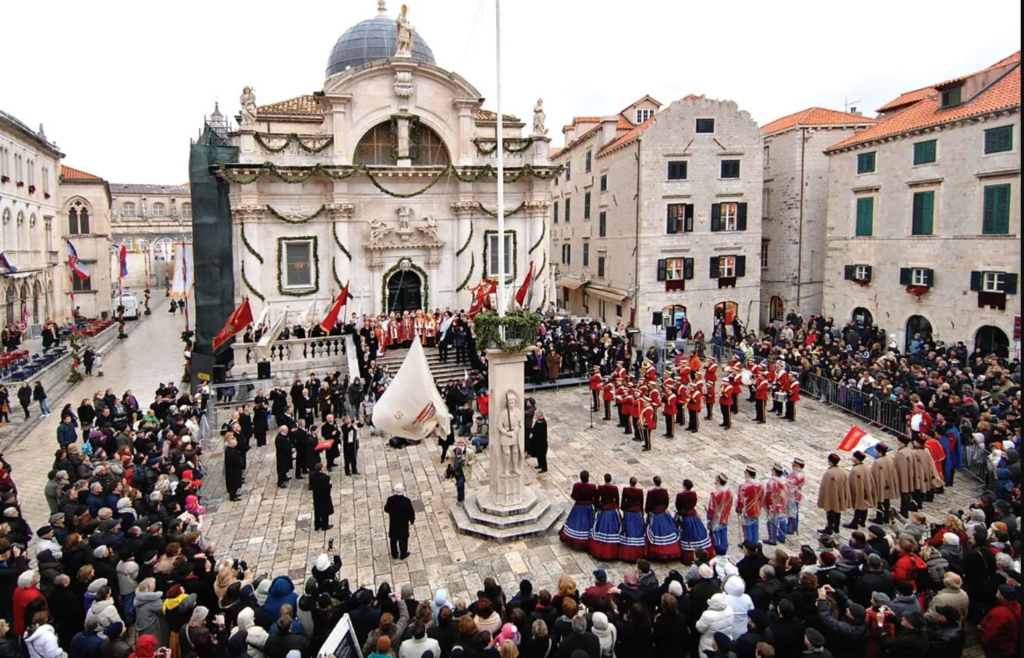
Celebrated every year on February 3rd, St. Blaise’s Day honors the patron saint of Dubrovnik and is one of the city’s most important cultural and religious events. The festival has been celebrated for over a thousand years and features religious ceremonies, traditional costumes, processions through the Old Town, and performances showcasing local heritage. Recognized by UNESCO as an Intangible Cultural Heritage, the celebration provides visitors with a fascinating insight into Dubrovnik’s deep-rooted traditions and strong community spirit.
Vino Forum on the Island of Krk (May)
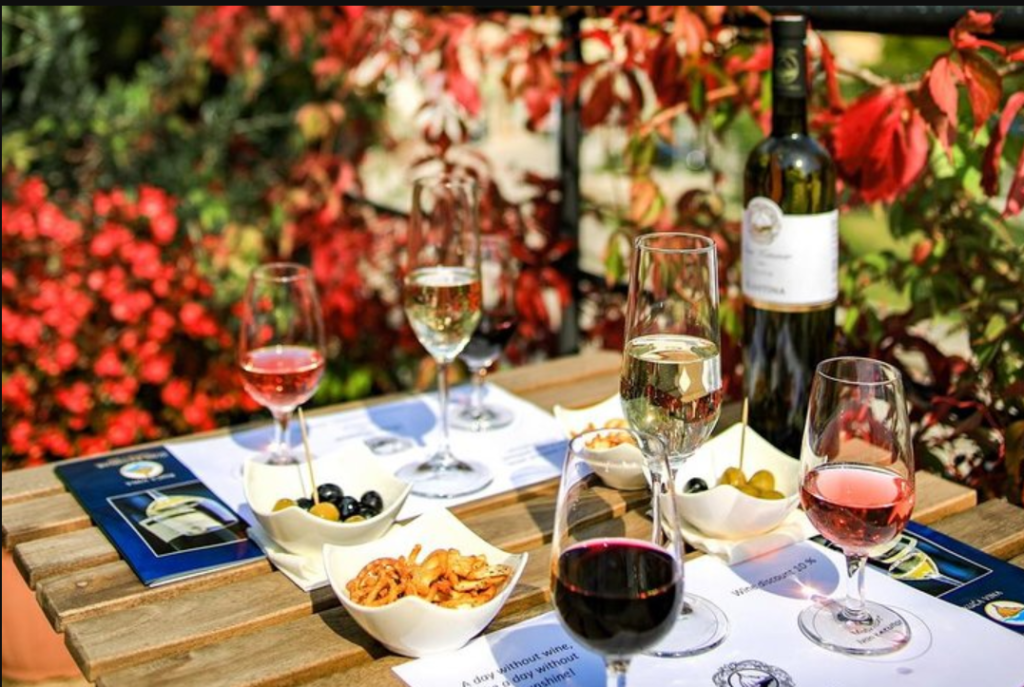
Wine lovers should not miss the Vino Forum held on the island of Krk, one of Croatia’s premier wine events. The festival brings together winemakers from across the country to showcase their finest wines, including the region’s famous Žlahtina variety. Visitors can enjoy wine tastings, gourmet food pairings, educational workshops, and opportunities to meet local producers. Set against the backdrop of one of Croatia’s most beautiful islands, the Vino Forum is a perfect blend of gastronomy, culture, and coastal charm.
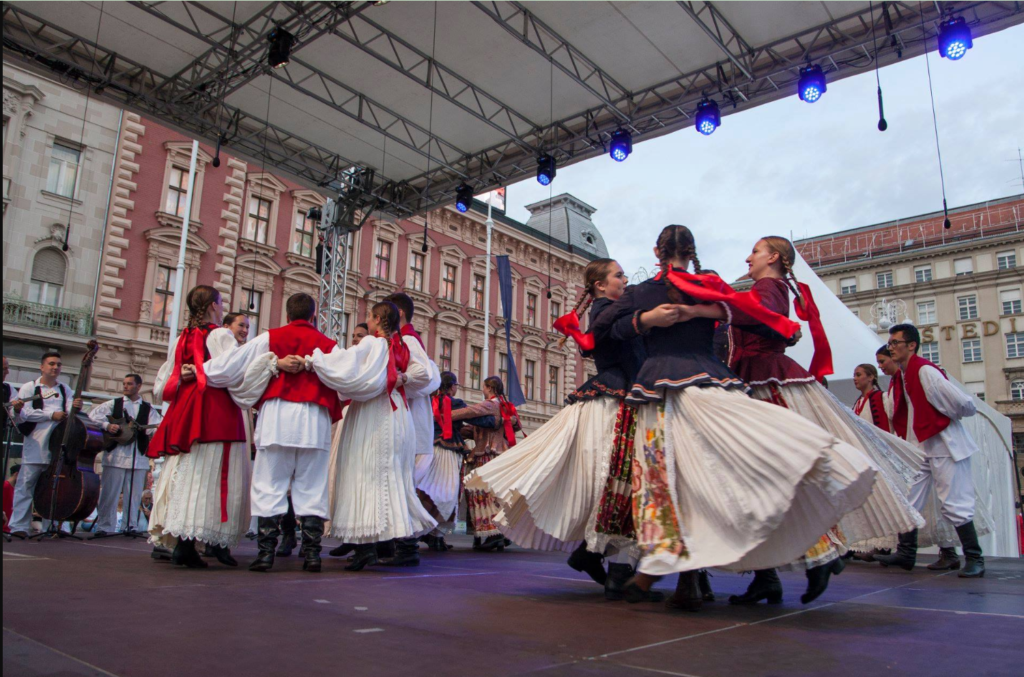
International Folklore Festival in Zagreb (July)
Every summer, Zagreb hosts the International Folklore Festival, a celebration of traditional music, dance, costumes, and cultural heritage from Croatia and around the world. Folk groups perform throughout the city, bringing vibrant costumes and centuries-old traditions to life. The festival offers visitors a chance to experience authentic Croatian culture beyond the country’s beaches and historic towns. Traditional concerts, dance performances, and cultural exhibitions create a lively atmosphere across the capital.
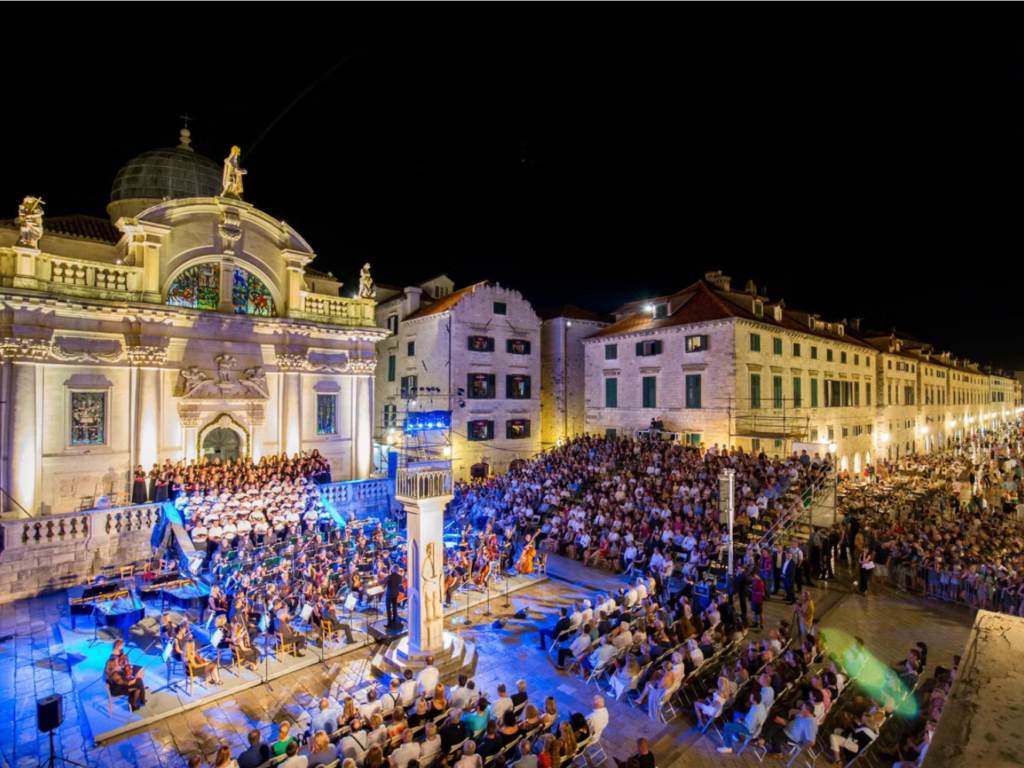
Dubrovnik Summer Festival (July–August)
The Dubrovnik Summer Festival is one of Croatia’s most prestigious cultural events, transforming the city’s historic streets, squares, and fortresses into open-air stages. For more than 70 years, the festival has featured world-class theater performances, classical music concerts, opera, dance, and cultural events. Watching a performance against the backdrop of Dubrovnik’s medieval walls is an unforgettable experience and one of the highlights of a summer visit to Croatia.
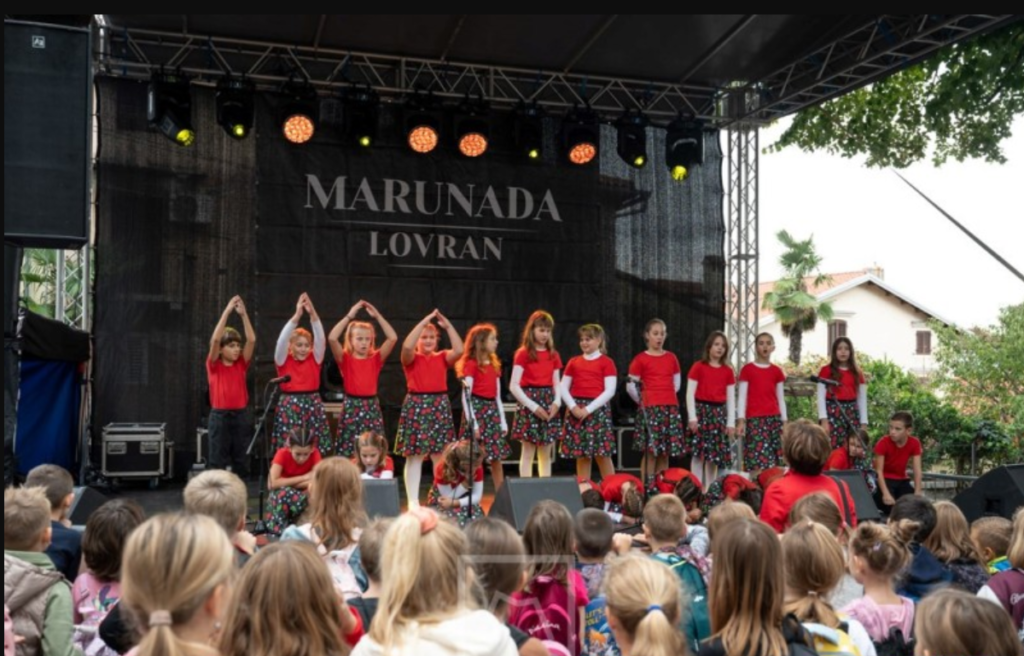
Marunada Festival in Lovran (October)
Held in the charming coastal town of Lovran, the Marunada Festival celebrates the region’s prized sweet chestnuts, known locally as maruni. Taking place each autumn, the festival combines food, culture, and tradition with markets, culinary demonstrations, live music, and family-friendly activities. Visitors can sample a variety of chestnut-based dishes, desserts, and local specialties while enjoying the picturesque setting of the Kvarner Gulf. Marunada is one of Croatia’s most beloved autumn festivals and a hidden gem for food enthusiasts.
Editor's Tip
If you're planning your trip around cultural events, consider visiting in February for St. Blaise's Day and the Rijeka Carnival, summer for the Dubrovnik Summer Festival and Zagreb's Folklore Festival, or October for the Marunada Festival and beautiful autumn scenery along the Adriatic coast. These events offer a deeper connection to Croatian culture beyond the country's famous beaches and islands.