
Last Updated on July 30, 2026 by 4flyinghippos@gmail.com
Croatia had been on our bucket list for years, and it turned out to be one of the most memorable trips we’ve taken in Europe. What makes Croatia special is the incredible variety packed into a relatively small country. In just over a week, we explored historic cities, charming coastal towns, breathtaking national parks, beautiful islands, and some of the most scenic landscapes we’ve ever seen.
This wasn’t a fast-paced sightseeing trip. We preferred travelling by public transport, taking time to enjoy each destination rather than rushing through a checklist. Looking back, Croatia offered the perfect balance of culture, nature, and relaxation.
Table of Contents
Day 1: Zagreb – Croatia’s Charming Capital
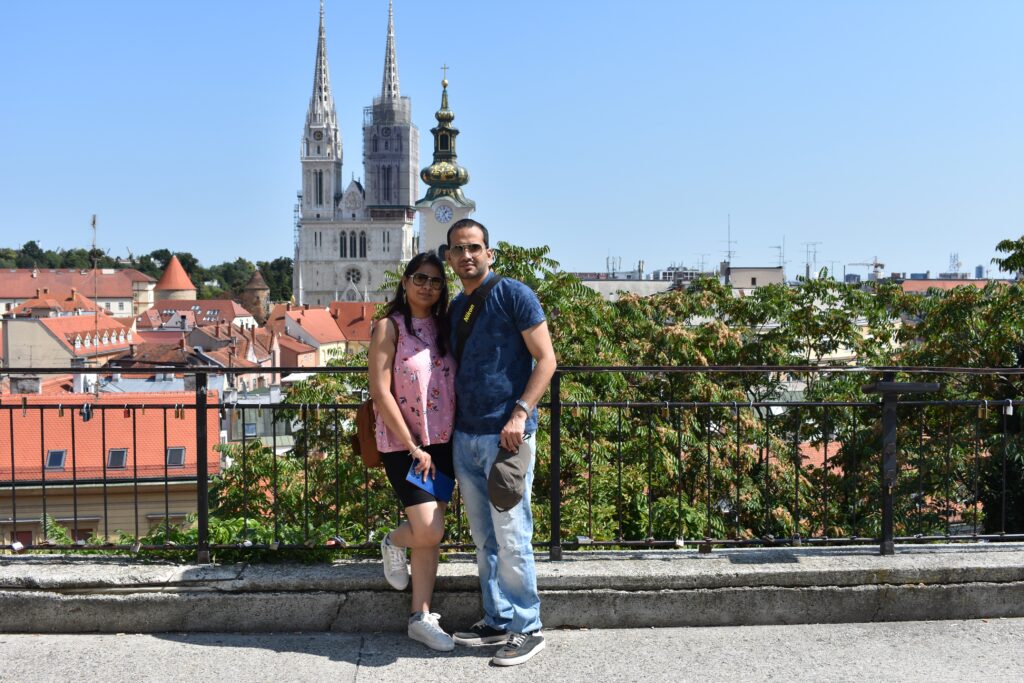
Our Croatia adventure began in Zagreb, the country’s vibrant capital. With just one day to explore, we set out early to discover as much of the city as possible.
Attractions We Visited
- Ban Jelačić Square – The heart of Zagreb and the perfect starting point for exploring the city.
- Zagreb Cathedral – One of Croatia’s most iconic landmarks.
- Dolac Market – A lively local market offering a glimpse into everyday life in Zagreb.
- Upper Town (Gornji Grad) – The historic centre filled with cobbled streets and charming architecture.
- St. Mark’s Church – Famous for its colourful tiled roof.
- Tkalčićeva Street – A vibrant pedestrian street lined with cafés and restaurants.
- Museum of Broken Relationships – One of Zagreb’s most unique museums, showcasing personal stories and objects from relationships around the world.
- Nikola Tesla Technical Museum – A fascinating museum dedicated to the life and inventions of Nikola Tesla.
- Maksimir Park – Zagreb’s largest park, known for its lakes, walking paths, and peaceful atmosphere.
Getting Around Zagreb
One thing we particularly appreciated about Zagreb was how walkable the city centre is. Ban Jelačić Square, Zagreb Cathedral, Dolac Market, St. Mark’s Church, Tkalčićeva Street, Upper Town, and the Museum of Broken Relationships are all located close to one another and can easily be explored on foot.
For Maksimir Park and the Nikola Tesla Technical Museum, we recommend using Zagreb’s local tram or bus network. Both are affordable, frequent, and easy to use, making them a convenient way to reach attractions outside the city centre.
Although Zagreb is often overshadowed by Croatia’s coastal destinations, we found it to be a wonderful introduction to the country, offering a mix of history, culture, unique attractions, and beautiful green spaces.
Day 2: Zagreb to Rovinj
Mode of Travel: Bus
Travel Time: Approximately 3 hours
After arriving in Rovinj in the afternoon, we checked into our hotel and took some time to relax before heading out to explore the town.
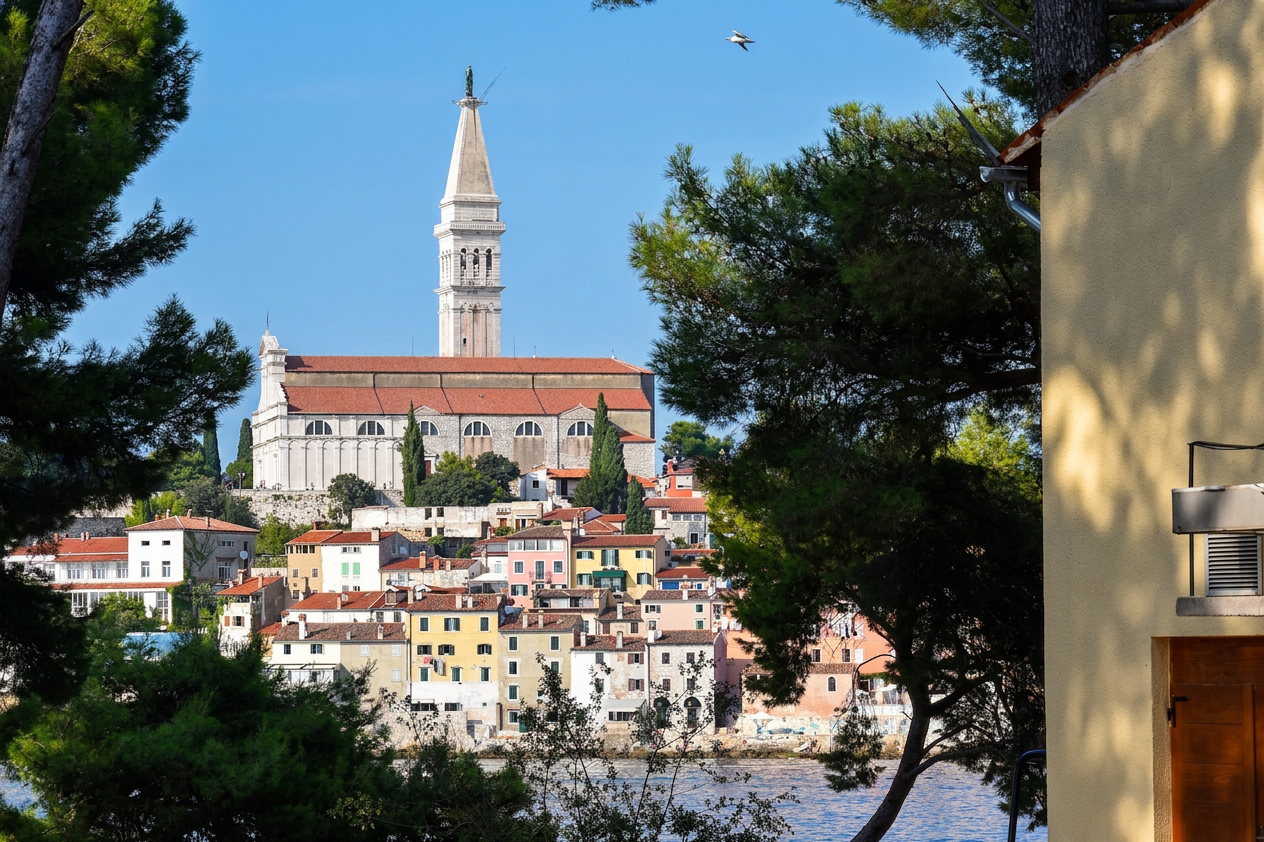
Of all the places we visited in Croatia, Rovinj was one of the most charming. The town felt like a picture-perfect postcard, with colourful buildings, narrow cobbled streets, fishing boats gently swaying in the harbour, and stunning views of the Adriatic Sea.
Attractions We Visited
- Rovinj Old Town
- Church of St. Euphemia
- Rovinj Harbour
- Grisia Street
- Waterfront Promenade
- Views towards Katarina Island
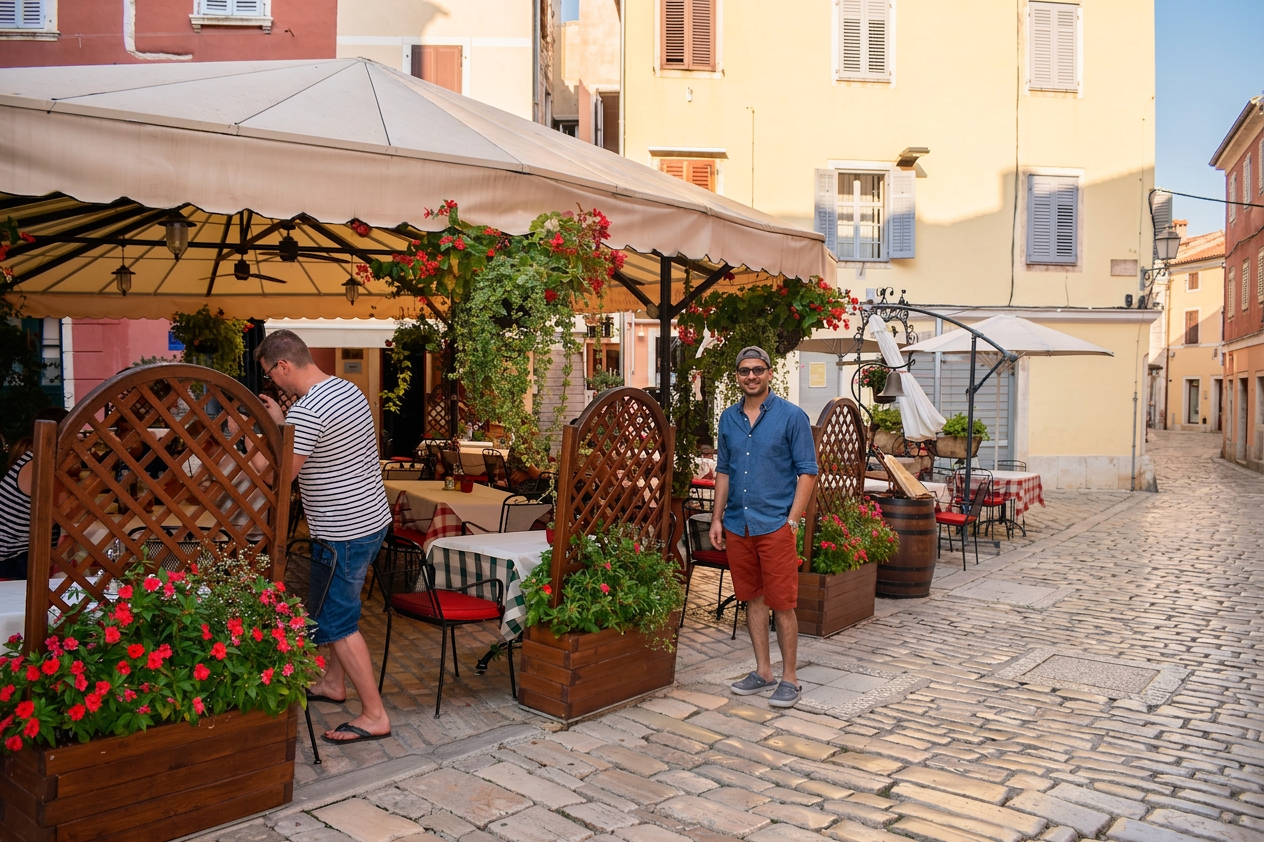
The highlight of our visit was simply wandering through Rovinj Old Town. Every turn revealed another beautiful corner, and nowhere was this more evident than Grisia Street. We couldn’t believe how beautiful a single street could be. The cobbled pathways, stone houses, colourful shutters, art galleries, and cascading pink flowers made it one of the most picturesque streets we encountered during our trip.
We also climbed up to the Church of St. Euphemia, Rovinj’s most famous landmark, which offers wonderful views over the town and the Adriatic coastline.
For some of the best panoramic views of Rovinj, we recommend heading towards the waterfront and looking across to Katarina Island. The sight of Rovinj’s colourful buildings rising above the harbour is one of the town’s most iconic views and a photographer’s dream.
One of our favourite memories, however, wasn’t a specific attraction. It was spending time along the waterfront promenade, enjoying a gelato, watching boats pass by, and soaking in the relaxed atmosphere. Sometimes the best travel moments come not from sightseeing but from slowing down and appreciating the beauty of a place, and Rovinj was perfect for exactly that.
Getting Around Rovinj
Rovinj is a compact town and all major attractions can easily be explored on foot. In fact, walking through its narrow streets is one of the best parts of the experience.
Day 3: Rovinj to Rakovica (Gateway to Plitvice Lakes)
Mode of Travel: Bus
Travel Time: Approximately 6 hours
This was the longest travel day of our Croatia journey as we travelled from Rovinj to Rakovica, a small village located about 14 km from Plitvice Lakes National Park.
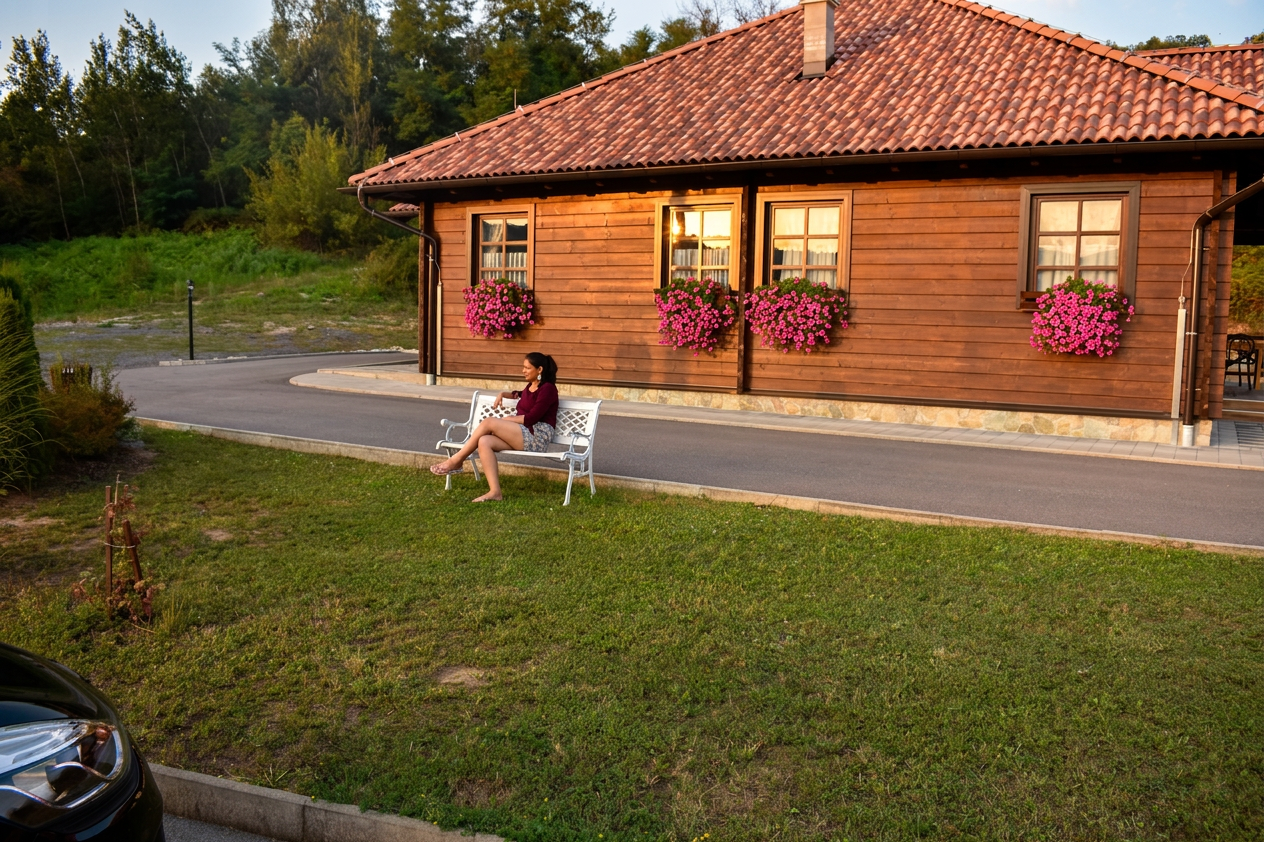
Rather than rushing out to explore, we spent the afternoon enjoying our beautiful countryside property. Spread across a large area, it featured flower-filled balconies, a charming garden, and a swimming pool overlooking the mountains. The pleasant weather made it even more enjoyable.
The property also had a lively restaurant where we spent the evening enjoying dinner and a glass of wine before calling it a day.
Sometimes the best travel memories come from simply slowing down and enjoying where you are, and Rakovica was the perfect place to do just that.
Day 4: Exploring Plitvice Lakes National Park
Mode of Travel: Local Bus
Travel Time: Approximately 20 minutes each way
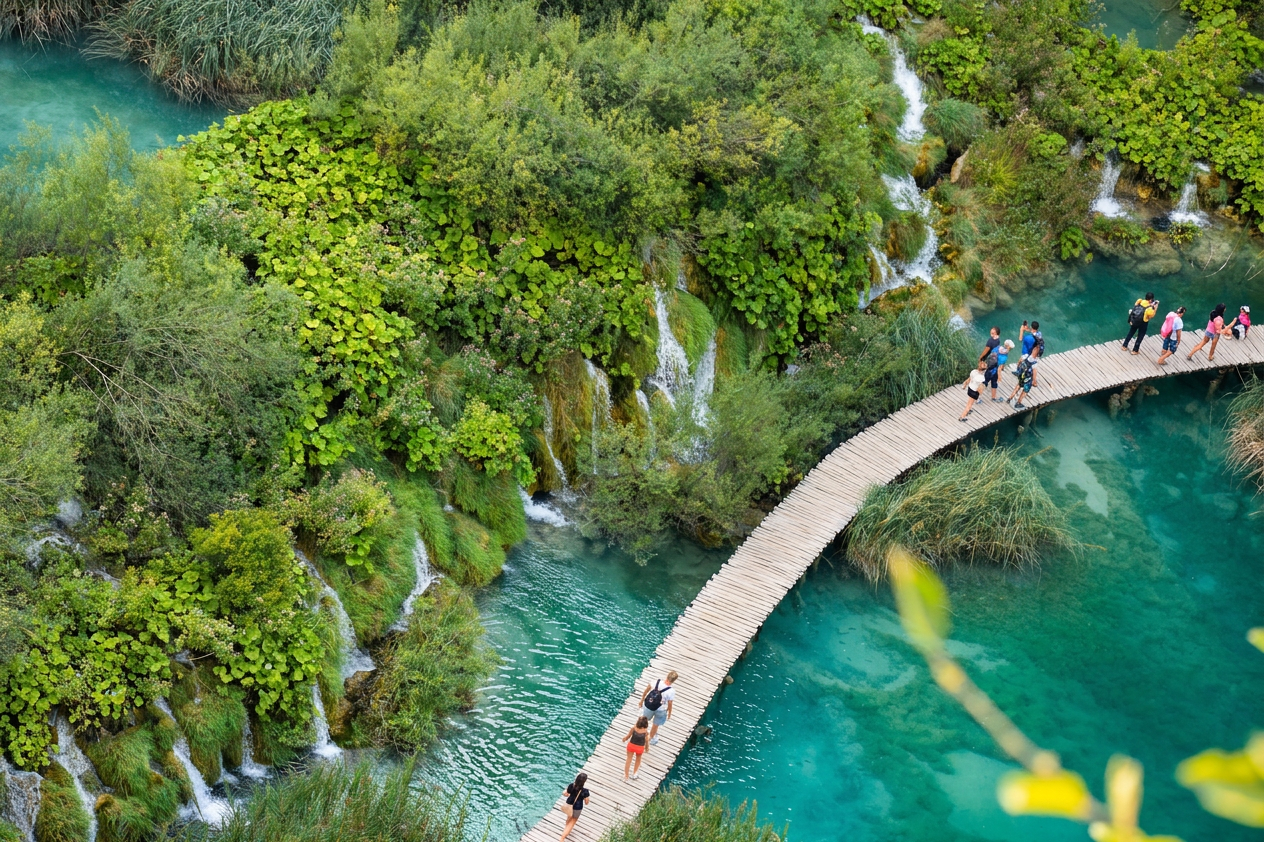
Plitvice Lakes National Park was undoubtedly the highlight of our Croatia trip and, to this day, one of the most beautiful places I have ever visited.
No photograph can truly capture the beauty of this place. Everywhere we looked, there were shades of green and blue that almost seemed unreal. Crystal-clear lakes, flowing cascades, wooden walkways stretching across the water, dense forests, and countless waterfalls created a landscape that felt straight out of a fairytale.
One of the things that fascinated us most was the colour of the water. In some areas, it appeared emerald green, while in others it shifted to shades of turquoise and deep blue. Ducks and fish could be seen swimming beneath the surface, making the lakes feel even more magical.
The forest trails were equally enjoyable, offering beautiful views at every turn. Despite spending the entire day exploring the park, we never felt exhausted. Every corner revealed another stunning waterfall, lake, or viewpoint that kept us excited to see what was next.
As the day drew to a close, a light drizzle began to fall. Rather than rushing for shelter, we found ourselves enjoying the moment even more. Walking through Plitvice surrounded by waterfalls, forests, and gentle rain was the perfect ending to an unforgettable day.
If there is one place in Croatia that we would recommend without hesitation, it is Plitvice Lakes National Park.
Plitvice Lakes Highlights
•	Wooden walkways over crystal-clear lakes
•	Waterfalls and flowing cascades
•	Shades of turquoise, emerald, and blue water
•	Forest walking trails
•	Ducks and fish visible in the lakes
•	Stunning scenery at every turn
Day 5: Rakovica to Zadar
Mode of Travel: Bus
Travel Time: Approximately 6 hours
After another long bus journey, we arrived in Zadar and checked into our hotel. Following a short rest, we headed out to explore the city’s historic Old Town.
Attractions We Visited
- Zadar Old Town
- Roman Forum
- Church of St. Donatus
- Five Wells Square
- Sea Organ
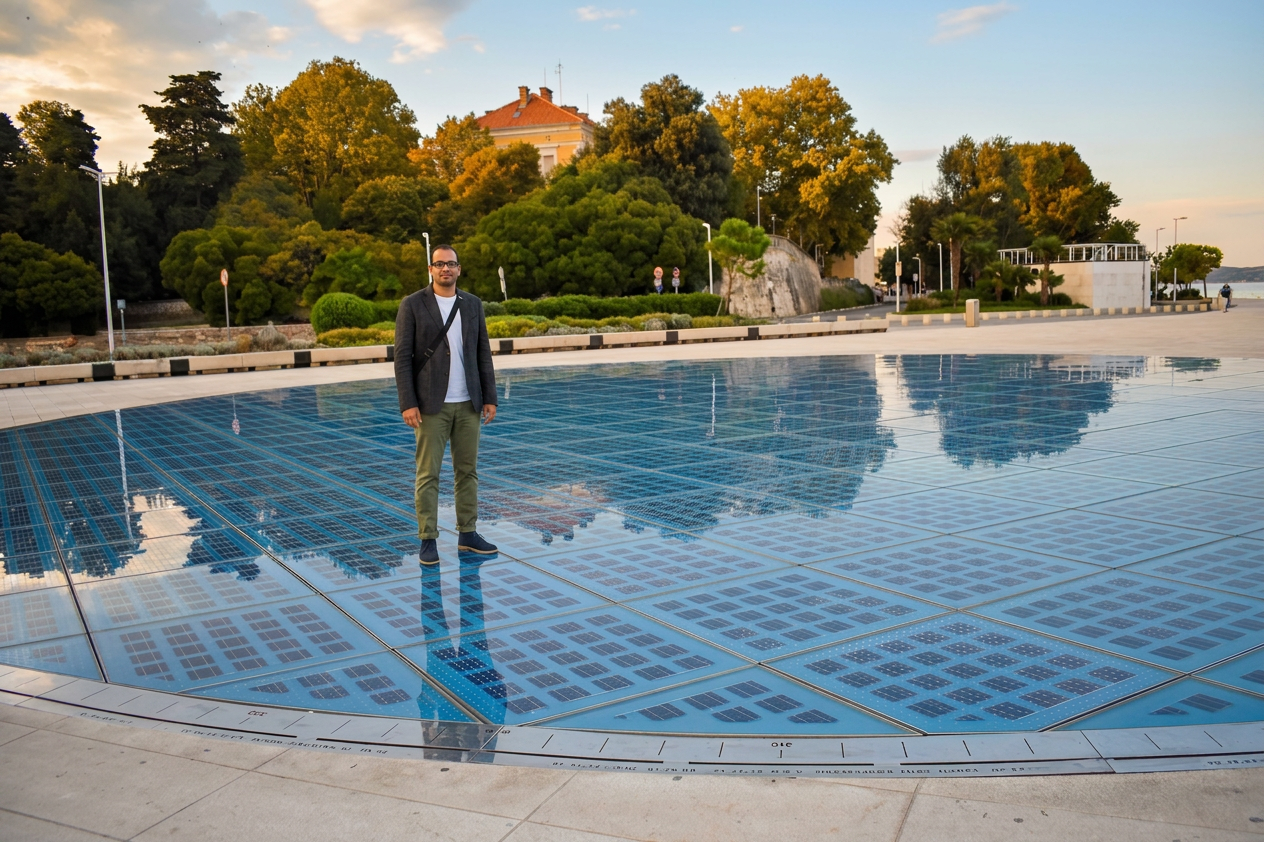
- Greeting to the Sun
- Museum of Ancient Glass
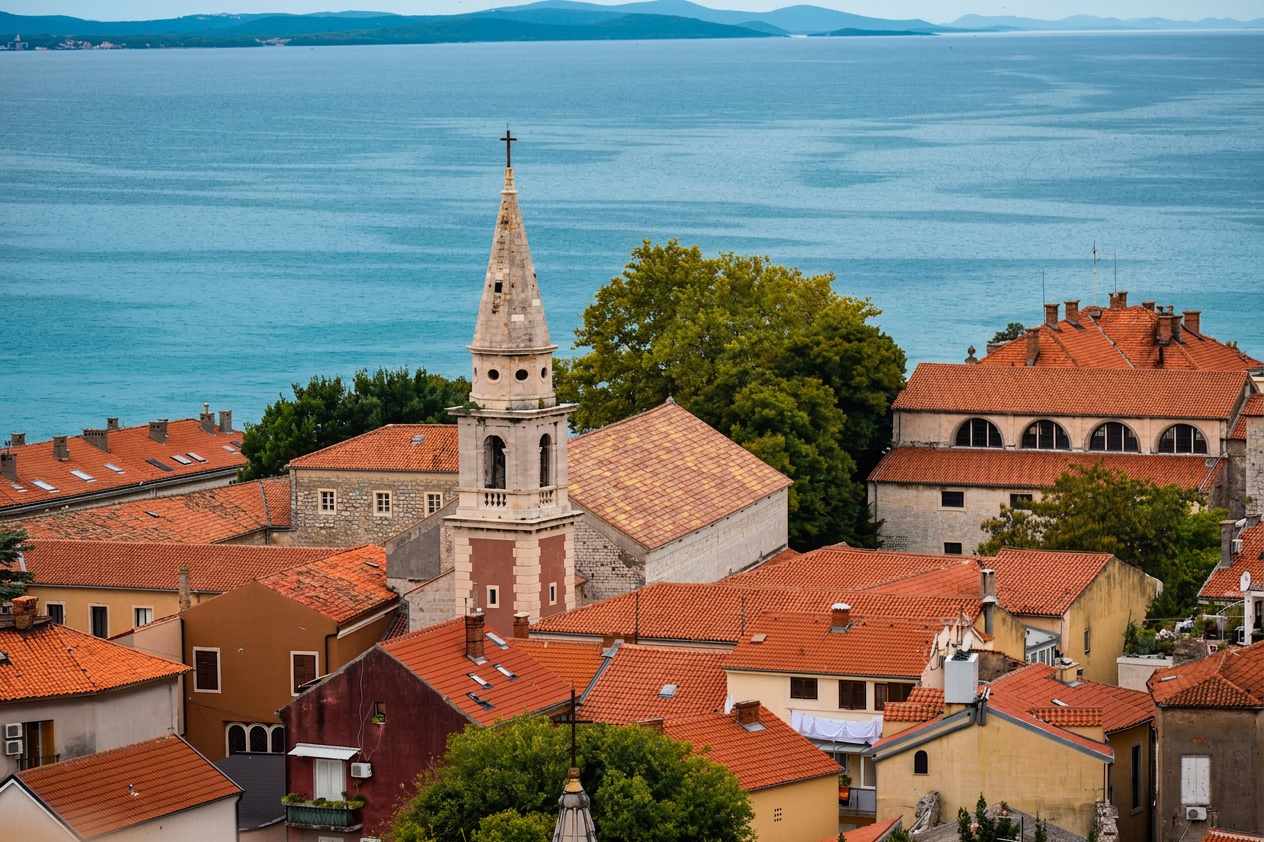
Zadar felt different from the other Croatian cities we visited. It was relaxed, easy to explore, and full of history. Walking through the Old Town, we came across Roman ruins, historic churches, lively squares, and beautiful waterfront views.
The highlight of our visit was undoubtedly the Sea Organ. We spent time sitting by the waterfront, listening to the music created by the waves while watching the sun slowly set over the Adriatic Sea. It was one of those simple travel moments that stays with you long after the trip is over.
As darkness fell, the nearby Greeting to the Sun came alive with colourful lights, creating a beautiful end to the evening.
Getting Around Zadar
Unlike Rovinj, Zadar is spread over a larger area. While most of the major attractions, including the Roman Forum, Church of St. Donatus, Sea Organ, Greeting to the Sun, and Five Wells Square, are located within the Old Town and can easily be explored on foot, we stayed outside the historic centre.
To get to and from the Old Town, we used Zadar’s local bus network. The buses were frequent, affordable, and easy to use, making them a convenient option for visitors staying outside the Old Town area.
Day 6: Day Trip to Krka National Park
Mode of Travel: Bus + Boat
Travel Time: Approximately 1 Hour by Bus from Zadar to Skradin, followed by a 20-Minute Boat Ride to Krka National Park
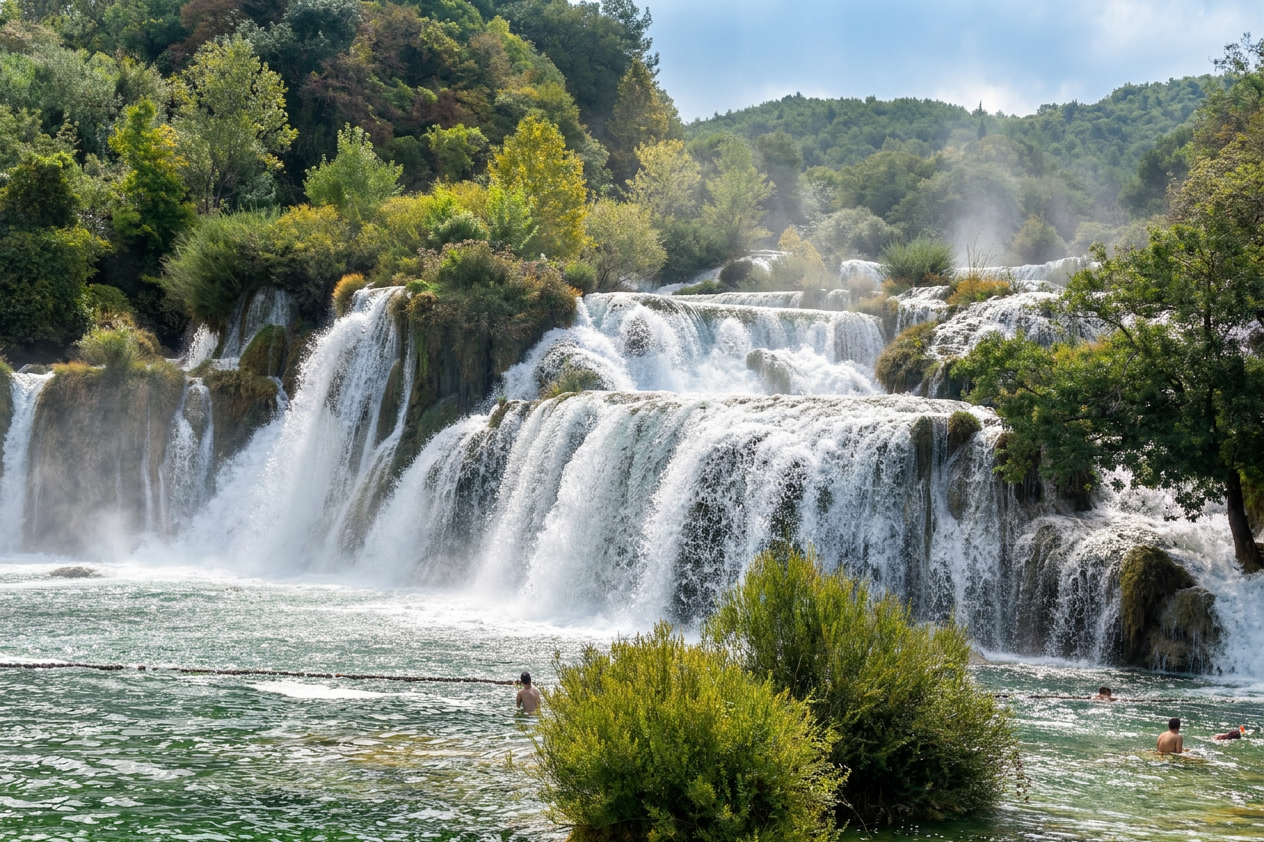
One of the highlights of our stay in Zadar was a day trip to Krka National Park. We took a bus to Skradin, the gateway to the park, and from there boarded a boat that carried us through beautiful surroundings to the entrance.
The experience began the moment we stepped off the boat. The sound of rushing waterfalls could be heard immediately, creating a sense of excitement before we had even started exploring. As we walked further into the park, the scenery became increasingly beautiful, with waterfalls, flowing water, and lush greenery at every turn.
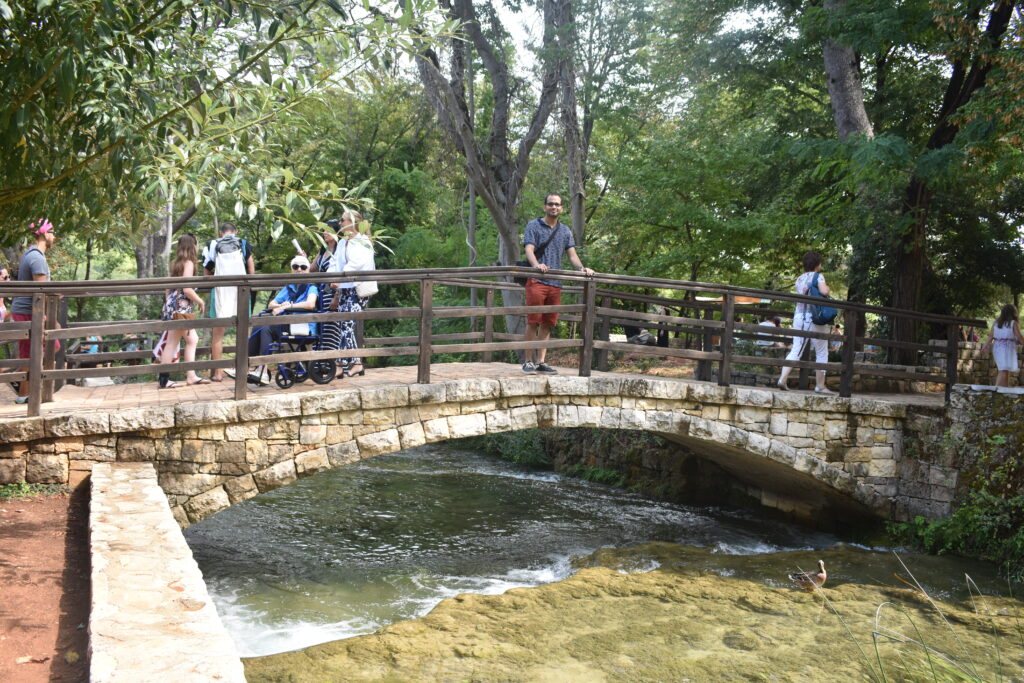
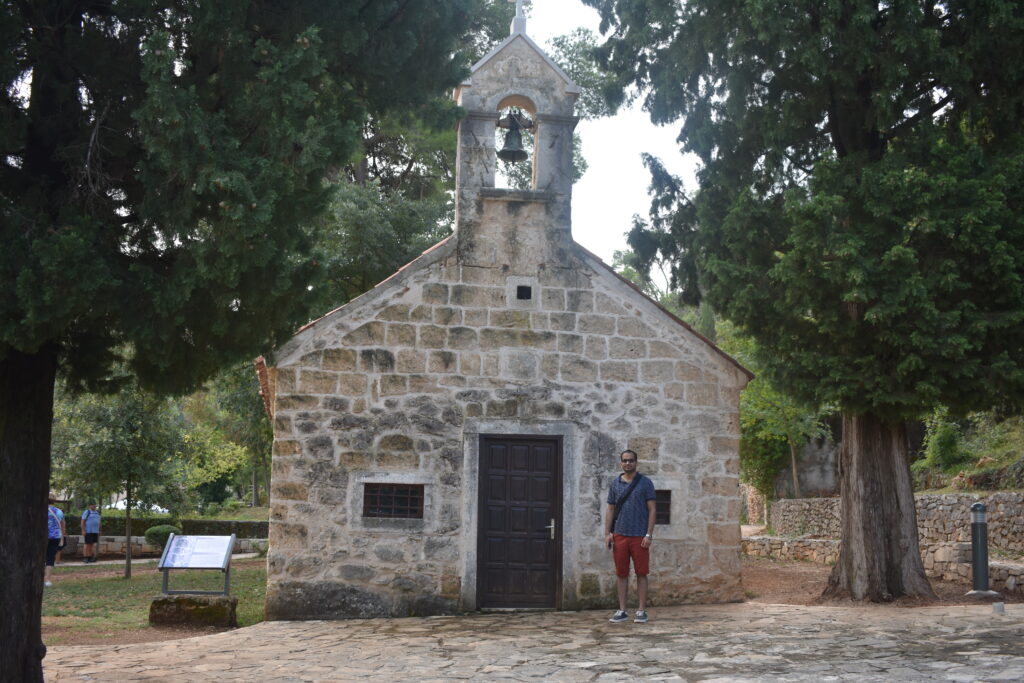
What we particularly enjoyed was that Krka is more than just waterfalls. Along the walking trails, we came across historic water mills, a small church, and a picturesque bridge that added charm and character to the landscape. The combination of natural beauty and history made the park feel unique and well worth visiting.
After spending the day exploring, we returned to Zadar in the evening and enjoyed another stroll through the Old Town.
Day 7: Zadar to Split
Mode of Travel: Bus
Travel Time: Approximately 3 hours
Our next destination was Split, Croatia’s vibrant coastal city.
After checking into our hotel and taking a short break, we headed out to explore.
Split immediately felt lively and energetic. The waterfront promenade was full of life, and the atmosphere along the Dalmatian Coast was unforgettable.
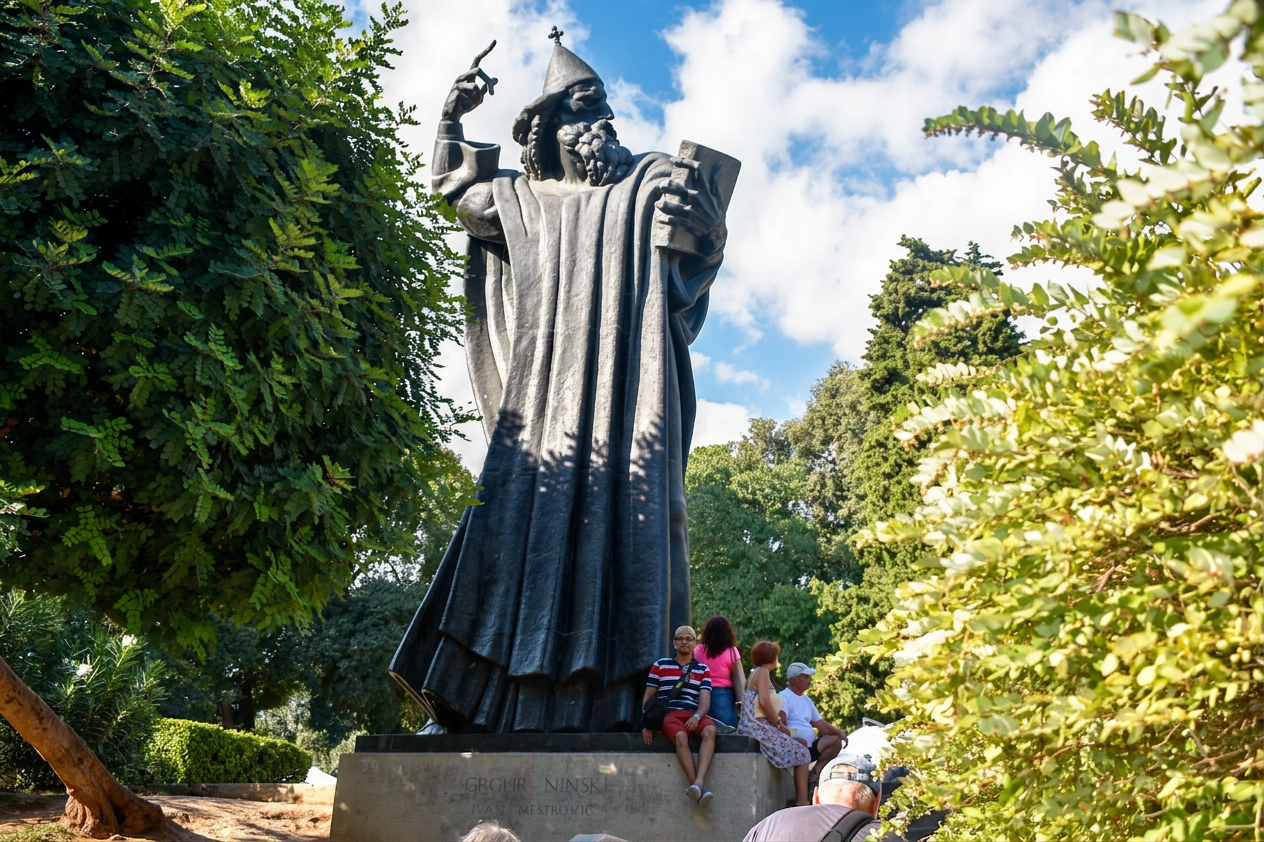
The city’s most famous landmark, Diocletian’s Palace, forms the heart of the Old Town and is unlike any historic site we’ve visited before. Ancient Roman architecture blends seamlessly with modern restaurants, shops, and homes.
As evening arrived, Split came alive with music, restaurants, and locals enjoying the waterfront.
One of our favourite memories from Split wasn’t a famous landmark but an unexpected street performance. As we wandered through the historic streets, two young musicians began playing the Game of Thrones theme on their cellos. The music echoed through the old stone alleyways, drawing crowds of visitors and locals who stopped to listen. For a few minutes, everyone seemed completely captivated. It was one of those spontaneous travel moments that perfectly captured the atmosphere and charm of Split.
Main Attractions:
- Diocletian’s Palace
- Riva Promenade
- Split Old Town
- Cathedral of Saint Domnius
- Dalmatian Coast Views
- Republic Square
- Marjan Hill
Day 8: Split to Hvar
Mode of Travel: Ferry
Travel Time: Approximately 1–1.5 hours
No Croatia itinerary feels complete without experiencing one of its islands.
We took a ferry from Split to Hvar, one of Croatia’s most famous island destinations.
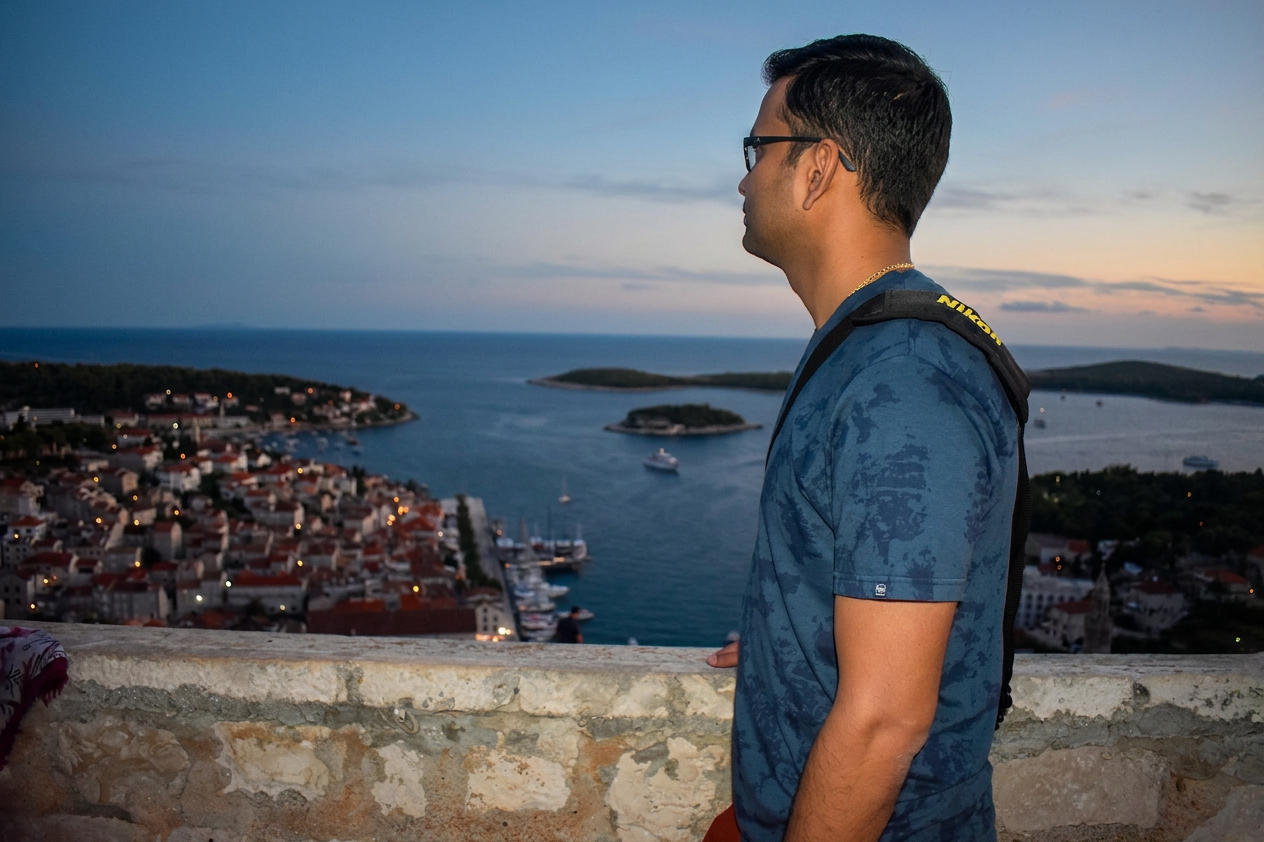
Despite its small size, Hvar impressed us with its beautiful harbour, stone streets, and relaxed Mediterranean atmosphere.
While exploring Hvar, we spent some time at Pokonji Dol Beach, one of the island’s most popular beaches. The clear blue water and laid-back atmosphere made it the perfect place to slow down and enjoy the afternoon. Surrounded by families and fellow travellers enjoying the sunshine, we took a dip in the Adriatic Sea and spent about an hour relaxing by the beach. It was a simple but memorable part of our time in Hvar and a spot we would happily recommend to families visiting the island.
The evening was spent exploring Fortress Hvar, Hvar Old Town, admiring the waterfront, and soaking up the island’s charm.
Main Attractions:
- Hvar Old Town
- Hvar Harbour
- St. Stephen’s Square
- Coastal Views
- Fortress Hvar
Overnight: Hvar
Day 9: Hvar to Dubrovnik
Mode of Travel: Ferry
Travel Time: Approximately 3.5 hours
Our final major stop was Dubrovnik.
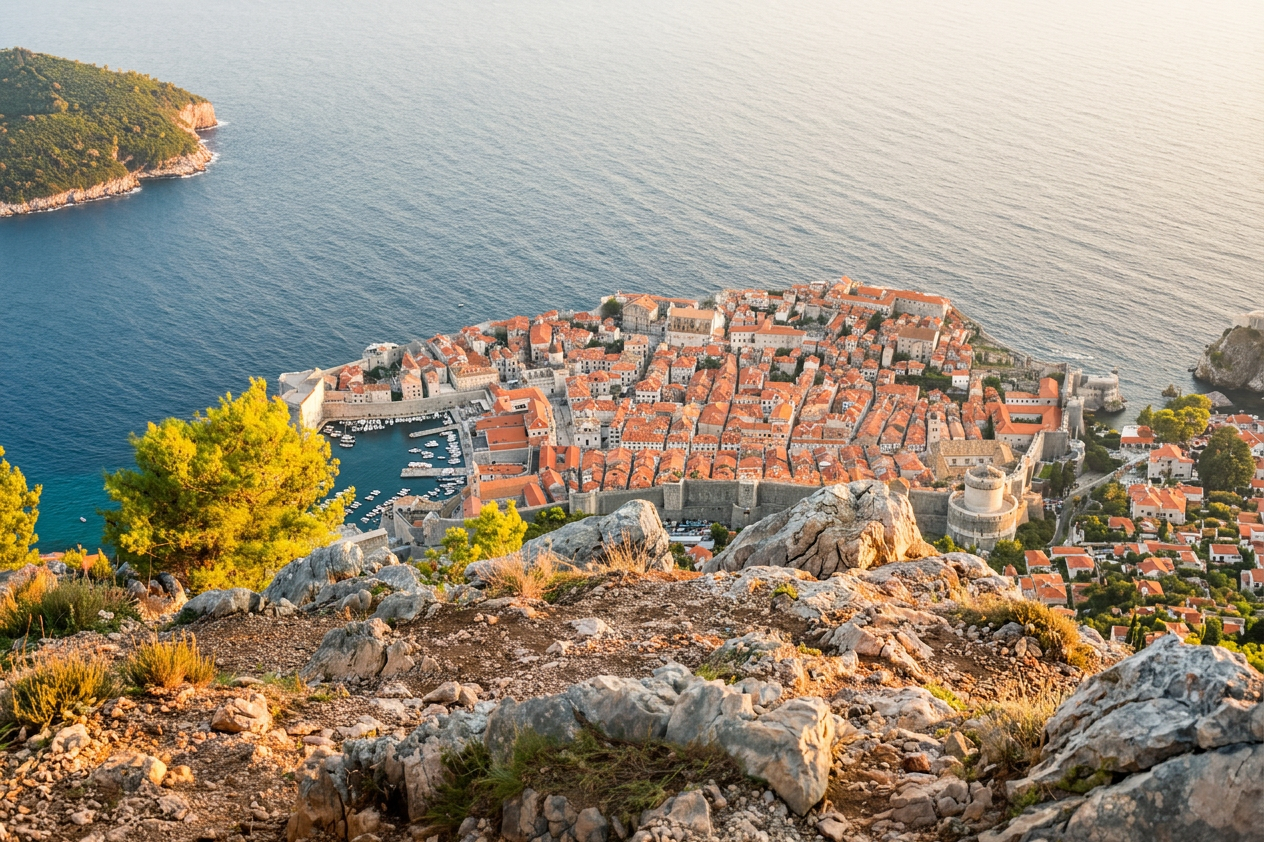
After arriving in Dubrovnik and taking some time to rest, we headed to the Old Town to begin exploring one of Croatia’s most iconic cities. Walking through the historic streets felt like stepping back in time, with centuries-old buildings, limestone-paved lanes, and a lively atmosphere around every corner.
During our first evening, we visited Rector’s Palace, one of Dubrovnik’s most important historic landmarks, before taking the cable car up to Mount Srđ. The ride itself was enjoyable, but the real highlight was the view from the top. Looking down over Dubrovnik’s terracotta rooftops, the ancient city walls, and the sparkling Adriatic Sea was truly unforgettable and one of the best viewpoints we experienced during our trip.
Day 10: Exploring Dubrovnik
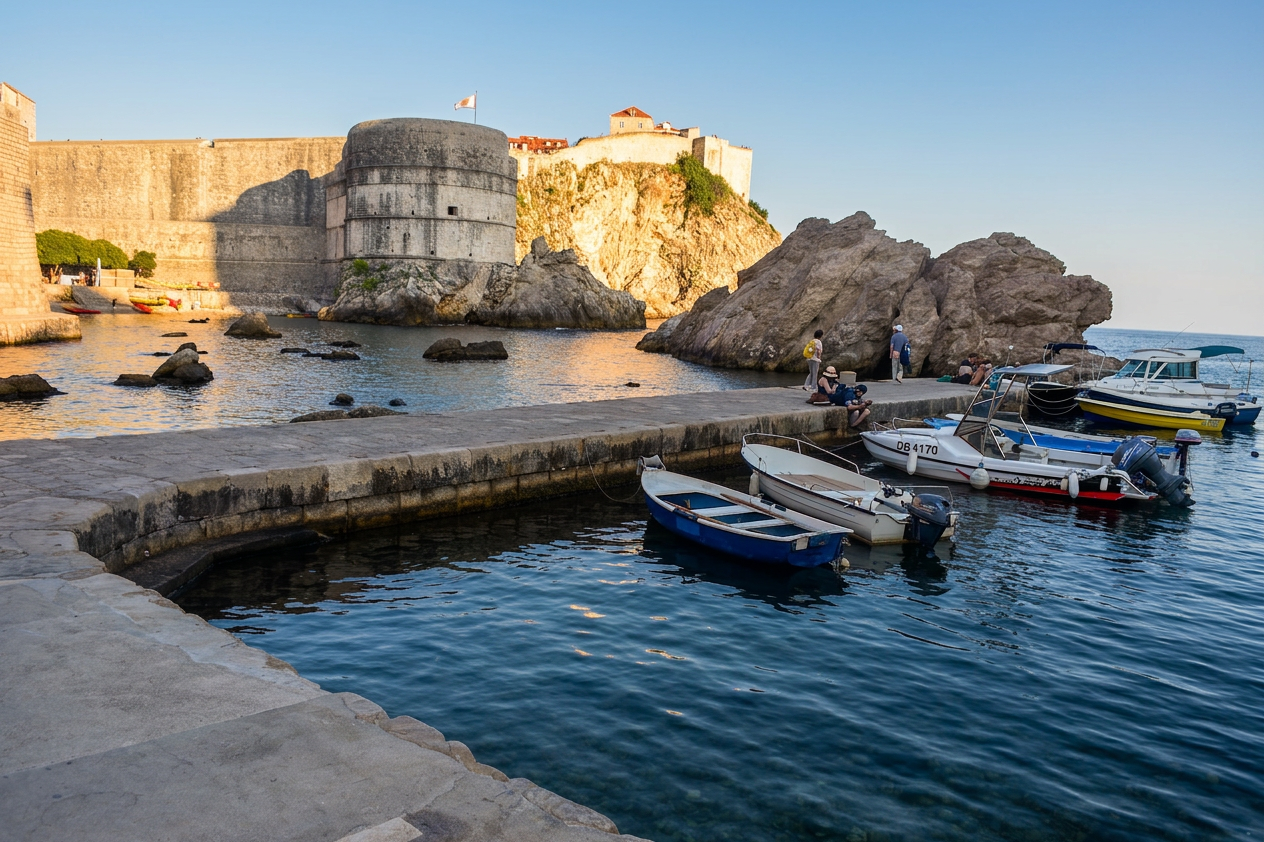
We dedicated our final full day in Croatia to exploring Dubrovnik’s historic Old Town, and it was the perfect way to end our trip. Walking through the limestone-paved streets, surrounded by centuries-old buildings and ancient fortifications, felt like stepping back in time.
Attractions We Visited
- Dubrovnik Old Town
- City Walls
- Stradun
- Pile Gate
- Onofrio’s Fountain
- Franciscan Monastery
- Rector’s Palace
- Sponza Palace
- Church of St. Blaise
- Dubrovnik Cathedral
- Old Port
- Lovrijenac Fort
- Gradac Park
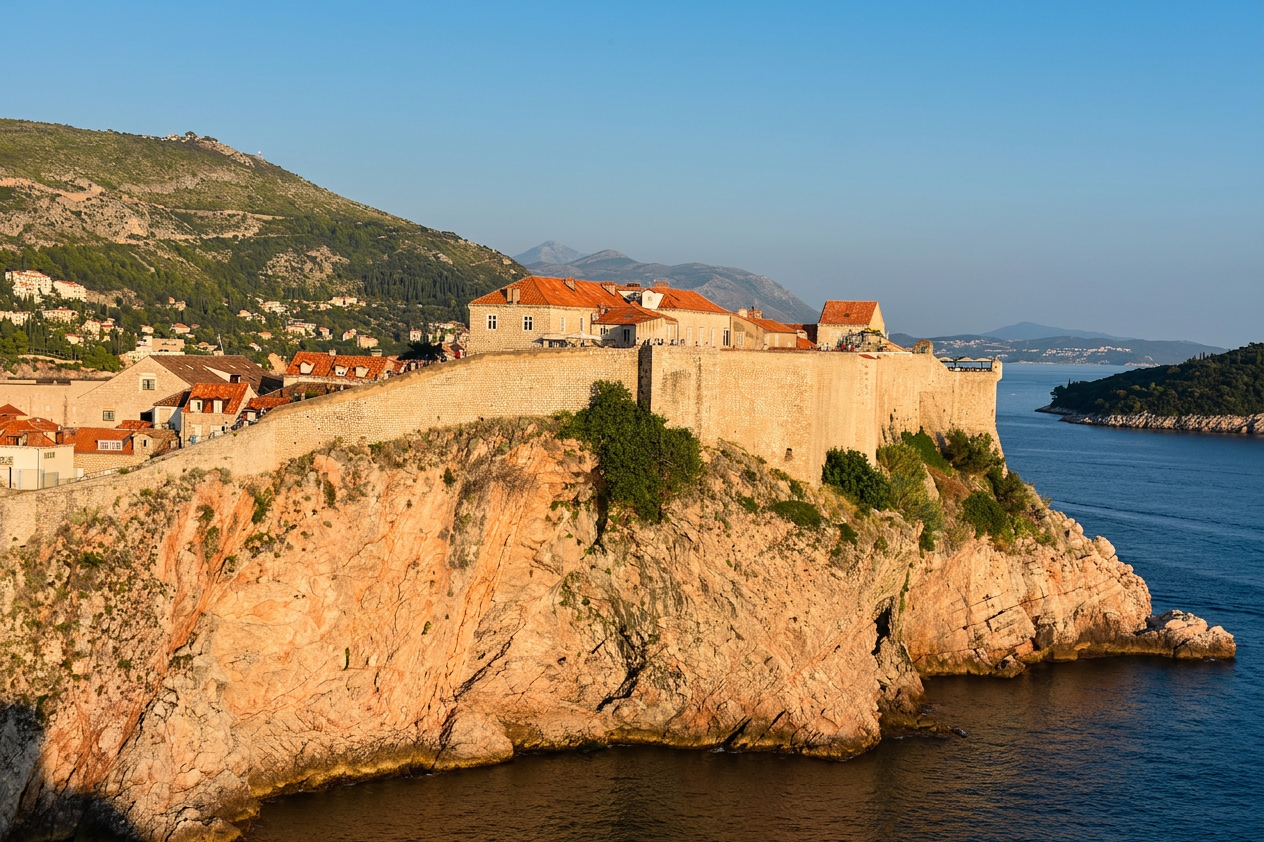
One of the highlights of the day was walking along the City Walls, which offered spectacular views of the terracotta rooftops, the Adriatic Sea, and the surrounding coastline. We also enjoyed exploring Lovrijenac Fort and spending some time in Gradac Park, a peaceful green space overlooking the sea.
Dubrovnik is also famous for serving as a major filming location for the television series Game of Thrones. As regular viewers of the show, this made our visit even more special. As we walked through the Old Town, many locations felt instantly familiar, and it was exciting to recognize places that had appeared on screen as King’s Landing. It added an extra layer of enjoyment to the experience and made exploring the city even more memorable.
Since we were staying outside the Old Town, we used Dubrovnik’s local buses to travel between our hotel and the city centre. The buses were convenient and easy to use, while all the attractions within the Old Town could comfortably be explored on foot.
Dubrovnik was the perfect finale to our Croatia adventure and a city that fully lived up to its reputation as the “Pearl of the Adriatic.“
Departure Day
The next morning, it was time to say goodbye to Croatia and fly home.
Looking back, Croatia exceeded our expectations. Every destination offered something different—from the historic streets of Zagreb and Dubrovnik to the coastal charm of Rovinj, the natural beauty of Plitvice and Krka, and the vibrant atmosphere of Split and Hvar.
If you’re looking for a European destination that combines history, islands, national parks, and stunning coastlines, Croatia deserves a place at the top of your travel list.
Where We Stayed
During our Croatia trip, we stayed at the following properties:
- Zagreb: Dream Hotel (Near Airport)
- Rovinj: Villa Armin
- Rakovica (Near Plitvice Lakes): Tourist Center Marko (Recommended)
- Zadar: Hotel Mediteran
- Split: Nirvana Rooms
- Hvar: Youth Hostel Villa Marija
- Dubrovnik: Victoria Guesthouse
Each of these stays worked well for our route and allowed us to explore Croatia comfortably using a combination of buses, ferries, and local public transport.